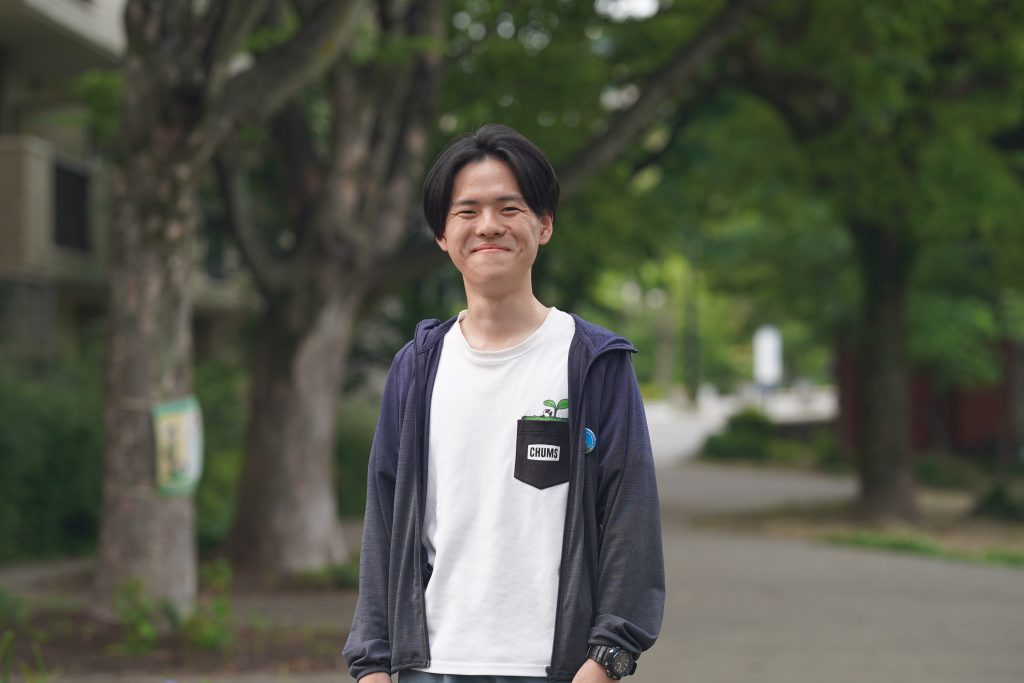
As the shortage of workers in local industries becomes increasingly severe, a college student has launched an initiative aimed at breaking down the “invisible barriers” between companies and schools and supporting high school students in making proactive career choices.
The “Career Education Co-creation Project,” led by third-year student Yuta Mori, aims to build a new educational model that connects local companies with high schools.
The Challenges Facing My Hometown That I Realized After Leaving It
Toyama Prefecture continues to face a labor shortage, particularly in the manufacturing sector. With a population of approximately 980,000, only a few hundred graduates from local universities find employment with local companies each year, making the outflow of young people to the Tokyo metropolitan area a major challenge. Meanwhile, while the employment rate for high school graduates within the prefecture stands at a high level of approximately 99.96 percent, the early resignation rate reaches 40 to 60 percent, posing a significant challenge in terms of retaining employees.
It was Mori who became aware of these issues. Having watched his father run a manufacturing business with fewer than 10 employees in Toyama Prefecture up close, he gained a firsthand understanding of the reality of recruitment difficulties faced by small and medium-sized enterprises. Furthermore, while working as a School Attractiveness Coordinator at a private high school in Toyama Prefecture, he strongly felt that there was a lack of information sharing among high schools, companies, students, parents, and local government, leaving each group isolated from the others.
A Bridge Connecting High School Students, Parents, and Companies
Through his studies at Eikei University of Hiroshima, Mori conducted a structural analysis of the issue and defined the root cause as “the disconnect between the corporate world and schools.” Proposing “seamless integration between the corporate world and schools” as a solution, he launched the “Career Education Co-creation Project” in 2025.
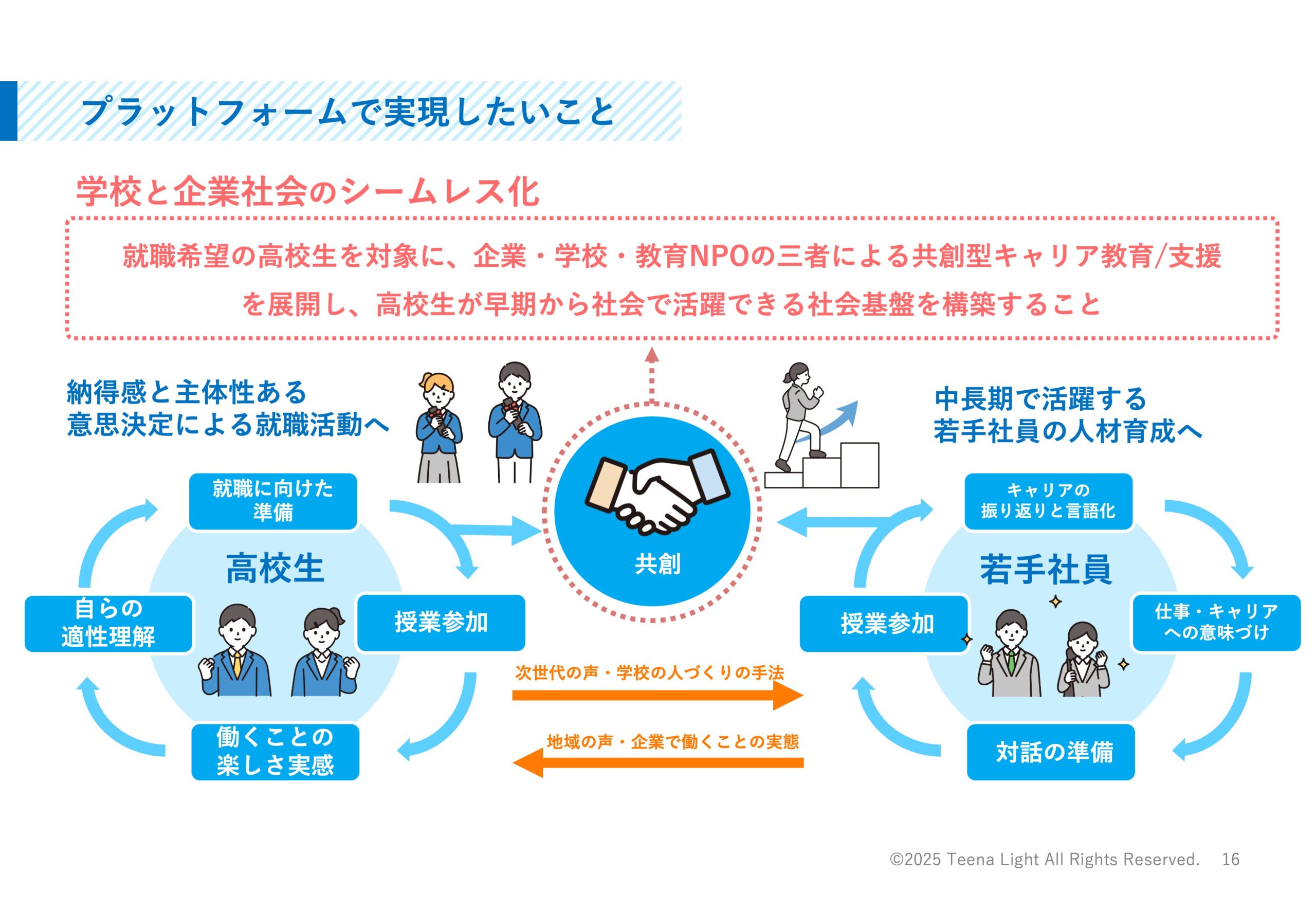
At the core of this initiative is the “Career Education Co-creation Platform.” By increasing opportunities for high school students to interact with young employees at companies, high school students gain a more realistic understanding of the working world, while young employees have the chance to reevaluate their own careers. It is a system that creates a cycle of learning for both parties.
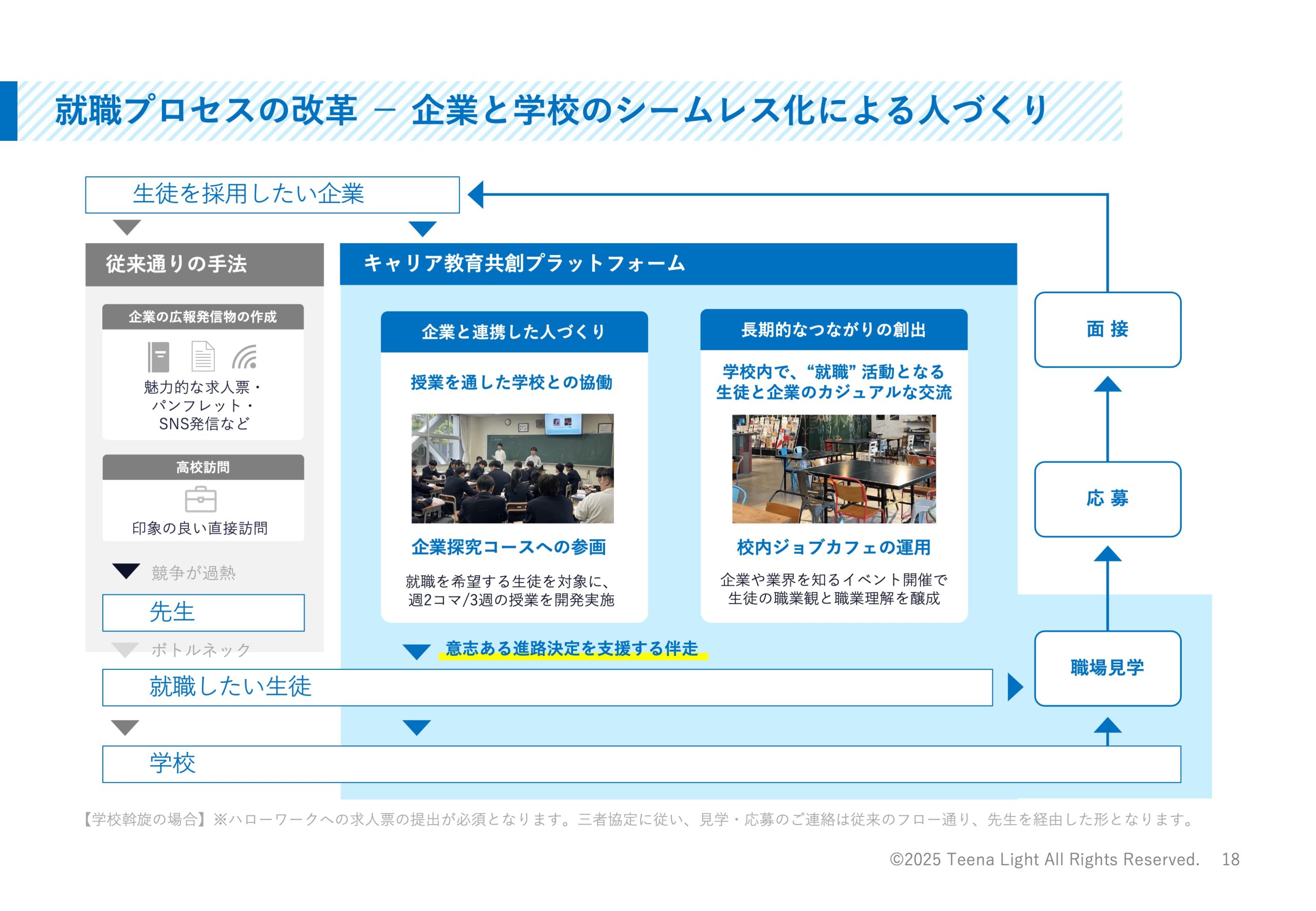
The project was designed using the PMBOK Guide, 6th Edition, and Eikei University of Hiroshima’s proprietary framework, and was developed through an iterative process that integrated theory and practice. During the planning phase, the team visited approximately 30 companies in Toyama Prefecture to gather feedback from businesses across various industries and refine the program’s content.
Currently, the team is planning quantitative surveys to objectively evaluate the program’s effectiveness. They aim to establish a reproducible educational model by using AI to organize and utilize the accumulated data.
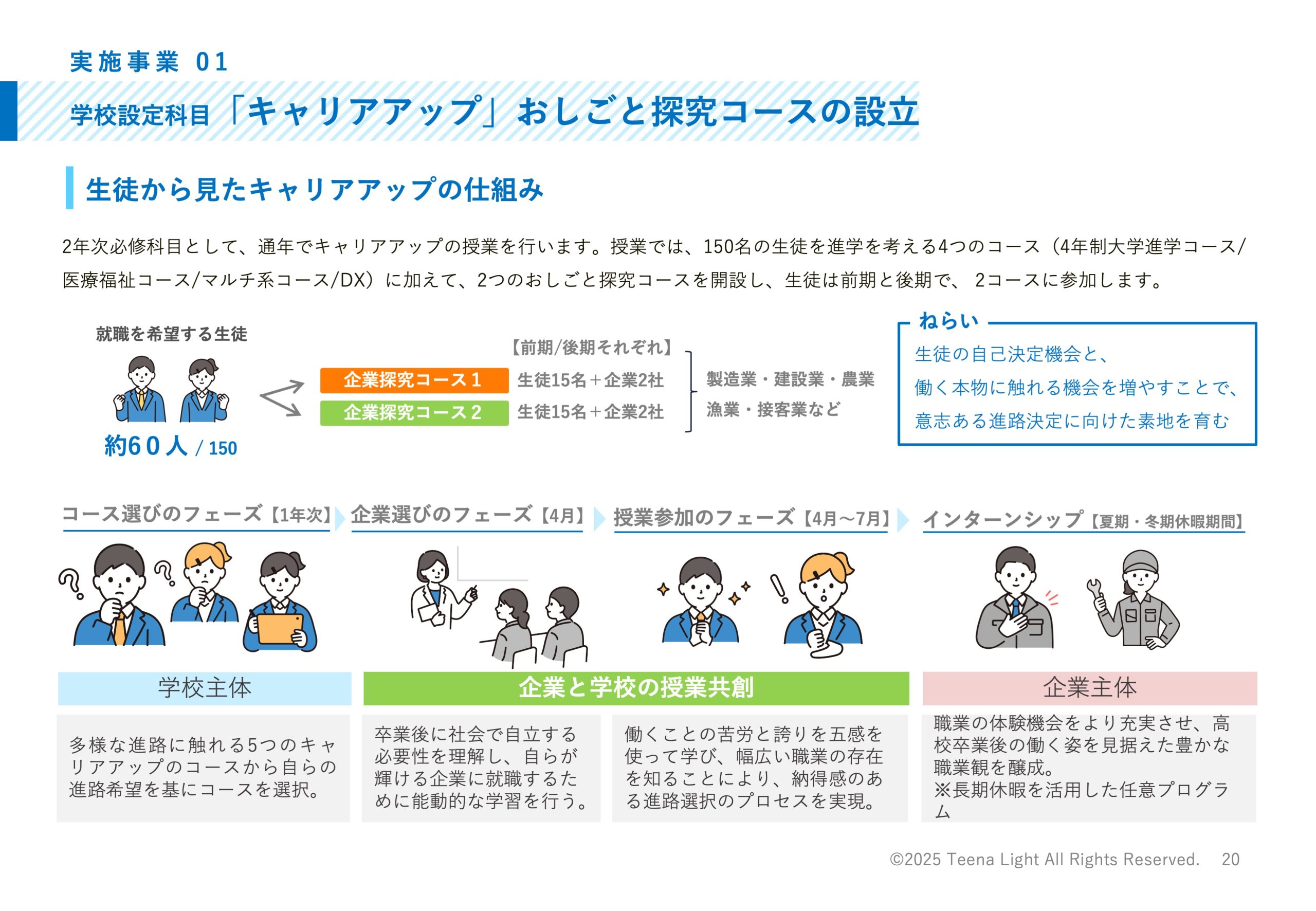
Pricing proved to be a major challenge during the commercialization process. With the need to set prices based on “value” rather than cost, Mori chose a strategy of first launching the business on a small scale in partnership with companies that shared his vision, and then building a track record.
“Learning” in Which You Discover Your Own Questions and Choose Your Own Answers
His university studies form the foundation of this project. Through applying theories such as project management and design thinking to real-world practice, he came to realize that “the back-and-forth between learning and practice is what leads to growth.” Furthermore, the perspectives of “hyper-interdisciplinary fields,” “human-centered design,” and “value”—gained from a course on social entrepreneurship—have shaped the very philosophy of the project.
While Toyama Prefecture is home to many companies with outstanding technologies and products, there are not a few cases where their value is not sufficiently communicated to society, causing them to face barriers to growth. He points out that it is crucial to consider how to deliver “meaningful value”—rather than merely functional value—to society. This awareness of the issue also led him to take on the challenge of studying abroad at the Polytechnic University of Milan.
The ultimate goal of this project is to create an environment where high school students can choose their own career paths based on their own decisions. As a result, companies are expected to benefit from strengthened talent development and recruitment foundations, while schools are expected to see improvements in career education. Another objective is to reexamine the very nature of hiring high school graduates and foster a movement across the entire region to invest in the next generation.
Through this project, He gained hands-on experience in a series of business processes, including planning, sales, contracting, and operations. “It was a great opportunity to assess my own aptitudes,” he reflects.
Going forward, he plans to continue his involvement in the project as a director of the General Incorporated Association Teena Light. He also intends to deepen his understanding of design thinking and, in the future, is considering expanding the sales of the crushers handled by his father’s company globally. He plans to take on the challenge of creating a new model for talent development while promoting the value of local industries to the world.
▼Partner Company Introduction
●Teena Light General Incorporated Association
186-15 Rita Tateyama, Shinkawa-Gun, Toyama
Guided by the motto “Teens Illuminate Society,” the organization is engaged in educational activities aimed at fostering an environment where as many teens as possible can feel “excited” about their dreams and futures. It operates college preparation and academic support programs—such as the “Online Namerikawa Academy” and the “Tateyama Children’s Future Academy”—through strong collaboration with local governments, NPOs, and co-creation partners.
SNSで共有する: