About
Alumni

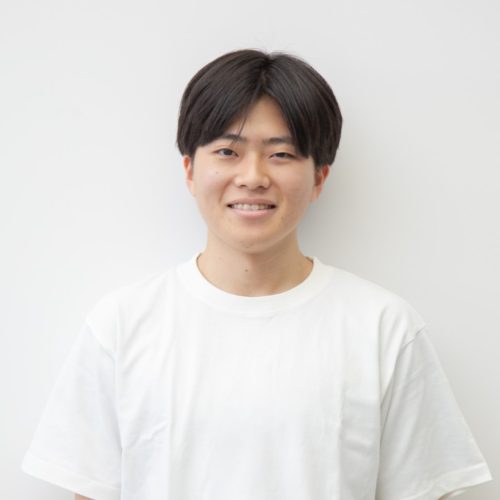
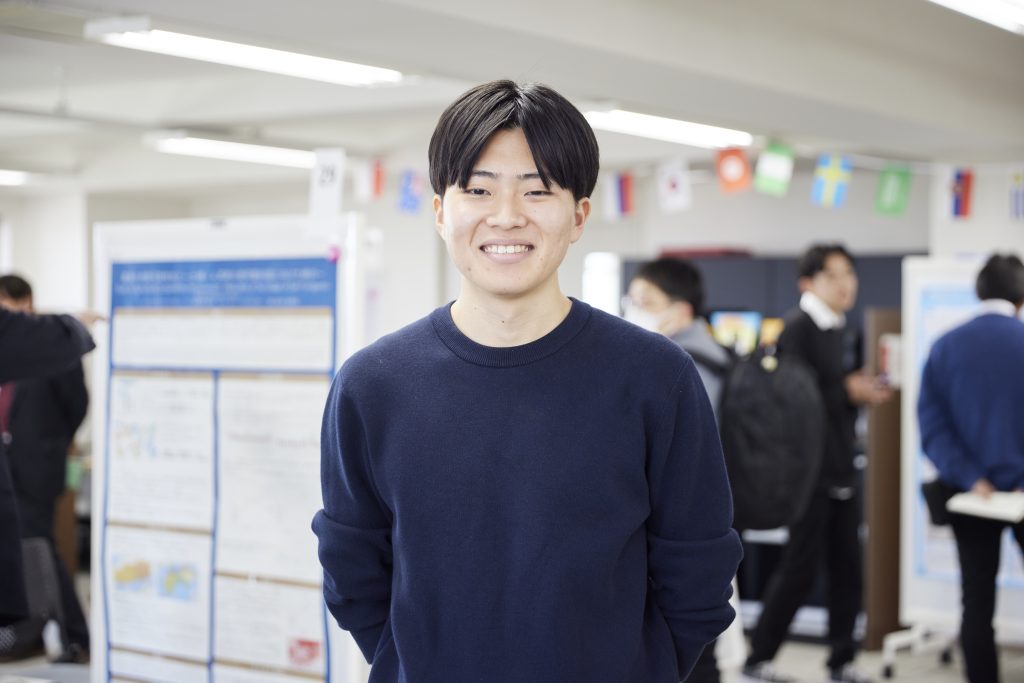
KAWAHARA Sota
TSUNEISHI CORPORATION March 2026 Graduation
Updated March 2026
A university life of reflecting on how to live through people, books, and travel
Seeing the Absence of a “Dream” or a “Clear Path” as an Opportunity
In high school, I devoted myself wholeheartedly to the volleyball club, which I founded on my own, and continued to pour my passion into it until graduation. I didn’t have a clear dream or a specific profession I wanted to pursue. I was the type of person who became deeply absorbed in whatever interested me at the moment, and part of me wanted to keep playing volleyball after high school.
However, as I watched those around me make career choices with their future in mind, I began to feel pressured by the thought that “I need to become someone, too.”
At the same time, I questioned whether “getting into a good university, joining a good company, and earning money is really what happiness means,” and wondered, “Why do we live?” and “What does true fulfillment look like? What do I genuinely want to do?” These questions lingered within me.
It was in the midst of this vague anxiety that I began searching for a university.
Eikei University of Hiroshima caught my attention because it does not divide students into narrowly defined academic tracks. I felt that even without a clear long‑term goal, I would be able to explore a broad, interdisciplinary range of subjects. Its status as a local public university with relatively affordable tuition was also a practical factor in my decision. In addition, my homeroom teacher recommended Eikei University of Hiroshima, which gave me further encouragement to consider it seriously.
Because the university was newly established at the time, I admittedly had some concerns and found it difficult to visualize the details of the curriculum.
Even so, I thought:
Instead of following a path decided by someone else, isn’t it more exciting to take a leap into unknown learning on my own?
With that mindset, I chose Eikei University of Hiroshima.
Believing that “the meaning of life is something we assign in hindsight,” I made the decision to take on the challenge.
The Entire Society Becomes a Field of Learning: University Life Filled with Diverse Perspectives
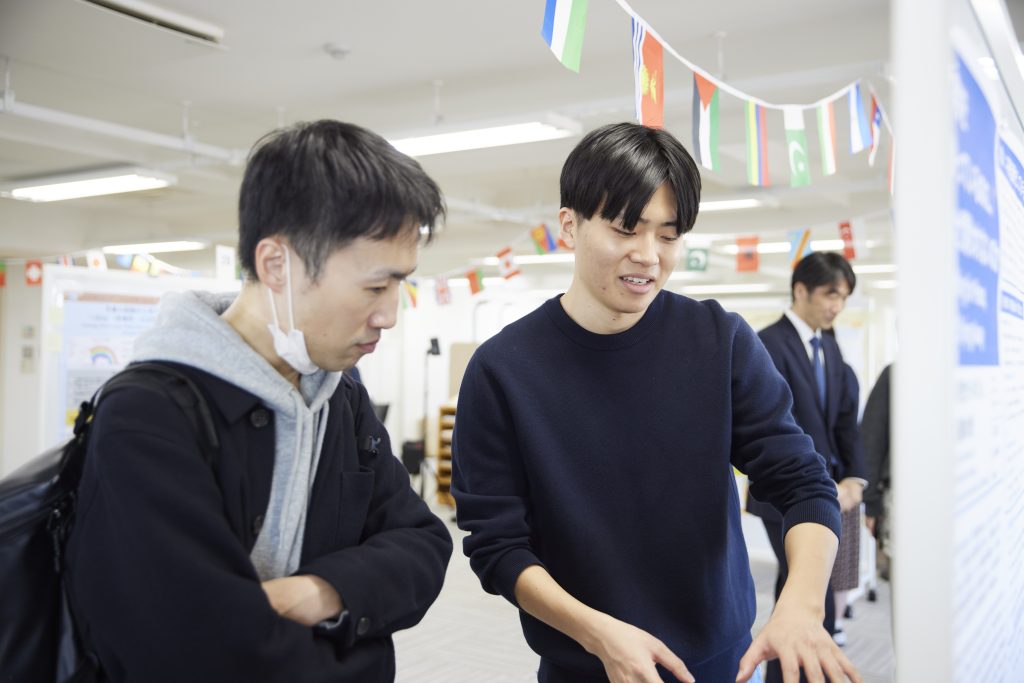
One of the most memorable learning experiences during my time at Eikei University of Hiroshima was the internship offered through the Experiential and Practical Programs. In addition to working on-site, I received guidance on how to read books more deeply and was presented with many thought‑provoking questions by the people at my internship placement. Through these interactions, I realized that there is more than one way to work or live, and that thinking itself can be a powerful way to connect with society and one’s profession.
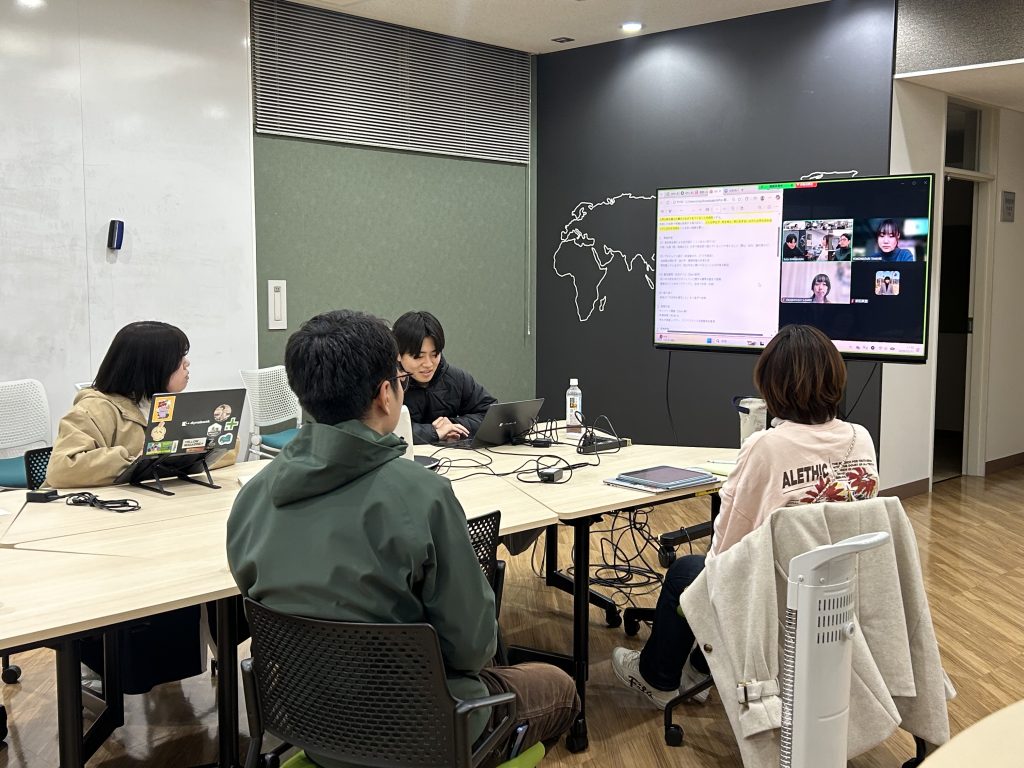
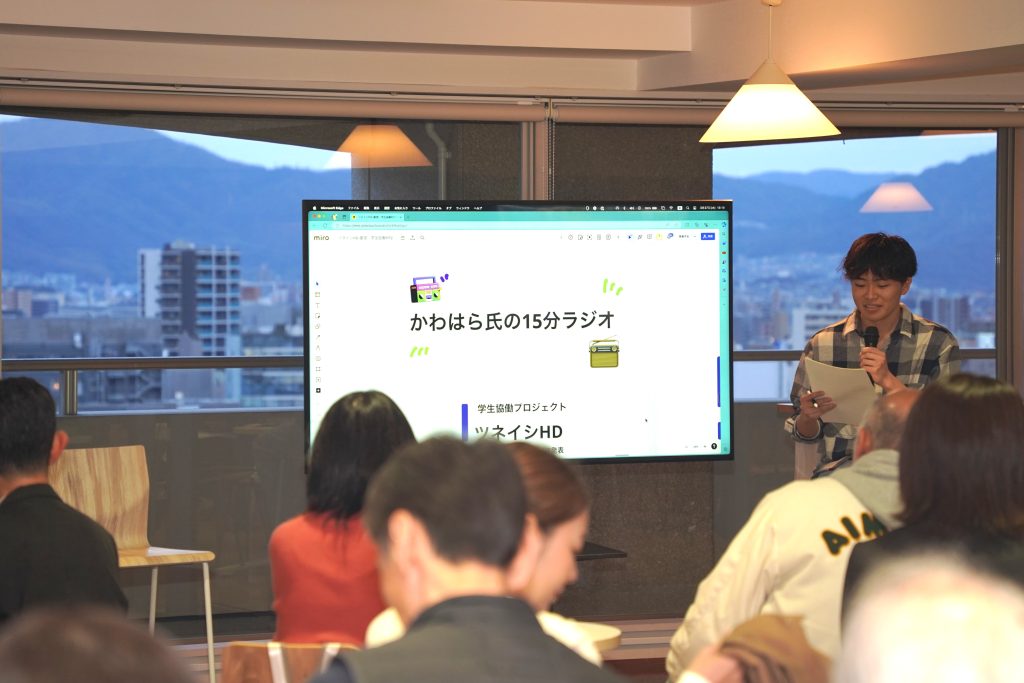
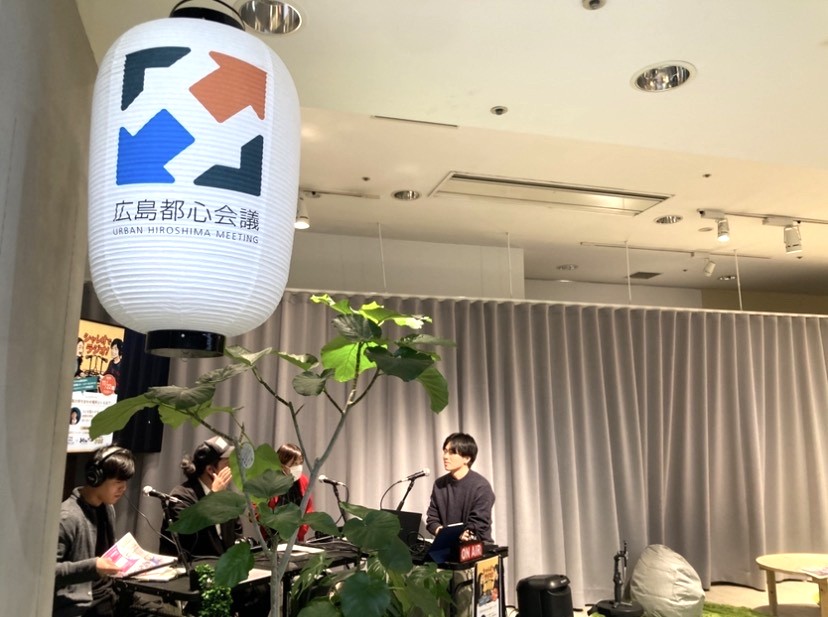
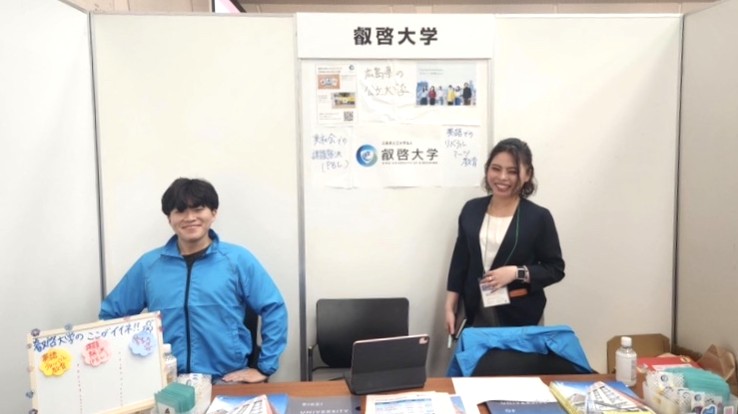
In Project-Based Learning (PBL) courses and project activities, I developed the habit of asking questions continuously rather than rushing to find answers. Furthermore, by engaging with people from diverse backgrounds—including international students and local businesses—I became able to articulate my thoughts and even the subtle discomforts I felt.
Through self‑initiated activities and long‑term projects outside of class, I encountered many people, experienced failures, and worked through internal struggles. These experiences allowed me to understand myself more deeply. The “time with room to fail” that university life provided was incredibly valuable—something uniquely possible during these four years.
Self‑improvement That Comes From Continuous Learning and Thinking Enriches Life
Through my experiences at Eikei University of Hiroshima, I came to realize that what matters is not only what you want to do, but how you think and how you choose to live.
By staying curious, continuing to learn, reflecting on each new experience, and applying it in different contexts, I found that the accumulation of such self‑improvement broadened my world in meaningful ways.
If you continue learning throughout your life, your interests and aspirations will naturally expand—and you’ll start to enjoy that process. The ability to “keep thinking for myself,” even beyond graduation, is something I gained thanks to the emphasis on Self‑improvement, one of the five competencies at Eikei University of Hiroshima.
Looking ahead, I hope to create an impact in Hiroshima Prefecture and in my hometown, Fukuyama, starting from the things that genuinely excite and motivate me. Through various projects and part‑time experiences so far, I have seen how new possibilities emerge when people connect with one another. That is why I want to step into local communities, expand my relationships, and take on the challenge of creating value together.
While keeping my roots in my hometown, I also hope to work in environments that allow me to reach Tokyo and even overseas. I want to continue engaging in business development and problem‑solving. As population decline progresses, I believe we need to rethink how we work and how we engage with society—and I want to be part of that shift, while enjoying the process.
Message to Prospective Students and Juniors
The greatest learning I gained at Eikei University of Hiroshima was the importance of continuing to ask questions. Through daily learning and experiences, I had numerous opportunities to think deeply about how I want to live my life.
For me, people, books, and travel were my own form of liberal arts. Spending time with friends is not the only way to experience university life. I encourage you to intentionally place yourself in moments of solitude and spend time facing your own thoughts. The discomfort and questions that emerge from that process will guide you toward discovering a new version of yourself.
If you are thinking carefully, pausing deliberately, and continuing to question—you are already a capable fieldworker. Do not rush to find the “right answer,” and do not be afraid to learn while being uncertain.
Welcome to Eikei University of Hiroshima.