
About
Alumni

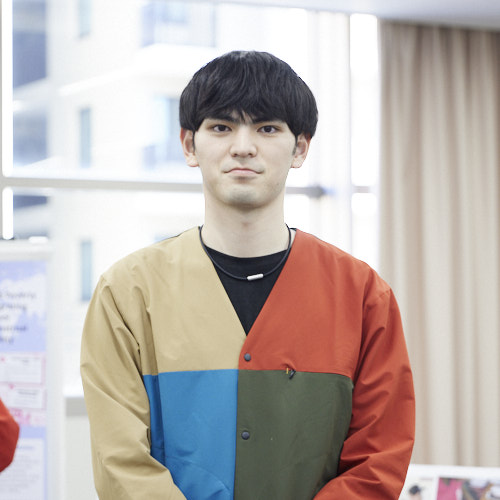
KOHARA Takamasa
Fukusuke Kogyo Co.,Ltd. March 2026 Graduation
Updated March 2026
Nurture Questions, Exchange Ideas, Connect the Dots
Searching for a Place Where I Could Nurture My Own Questions
During my high school years, I strongly wished to confront the essence of learning. Entrance exam study often felt like a mere task—simply processing what was given—leaving me little space to engage with the fundamental question: “Why do we learn?” At university, I hoped to build my learning around my own questions, connecting individual pieces of knowledge into a coherent line of understanding.
A turning point came when I heard a talk on international cooperation. I learned that support activities do not always lead to the “happiness” of those receiving aid, and I became aware of the danger of imposing one’s own values on others. Carrying this question with me, I encountered the course Introduction to Cultural Anthropology, where I learned the attitude of re‑examining others’ perspectives by integrating their values and worldviews into my own thinking. I was strongly drawn to this discipline, which encourages continuous self‑reflection while engaging sincerely with others.
At Eikei University of Hiroshima, I found the exact environment I had been searching for: a place where I could cultivate my own questions through liberal arts, choose from a wide range of disciplines beyond the boundaries of the humanities and sciences, engage in Project‑Based Learning (PBL), and interact with international students.
What particularly attracted me was the presence of faculty members with diverse backgrounds and deep expertise cultivated through real‑world experience. The opportunity to learn directly from such educators felt truly unique, and this solidified my decision—without hesitation—to study at this university.
Visible and Invisible Connections That Broadened My Perspective
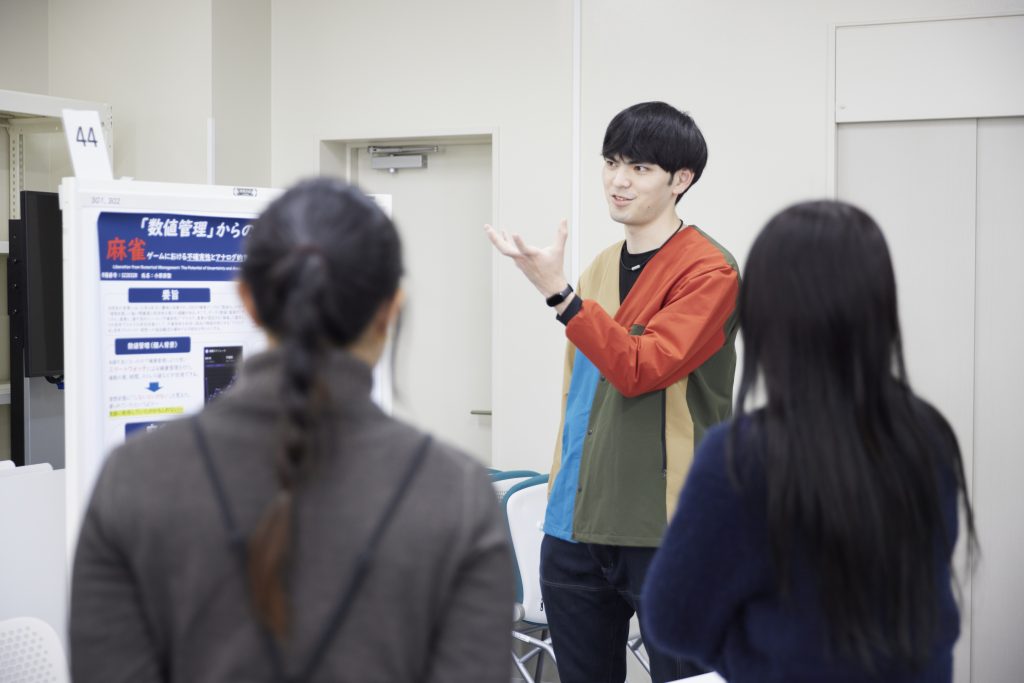
Throughout my time at Eikei University of Hiroshima, I repeatedly engaged in the process of identifying issues and exploring potential solutions in my coursework. The deeper I went into my studies, the more I learned that the world holds challenges so immense—and sometimes so unfair—that they can feel overwhelming. There were moments when I realized that what I thought was a “good idea” was nothing more than abstract theory, and I felt discouraged by my own powerlessness.
What expanded my perspective during such times were the liberal arts. In particular, the fieldwork in Ecosystem Design took me to places I had never set foot in before, such as waste‑processing facilities, environmental conservation sites, and climate observation centers. Seeing the systems that support our daily lives from behind the scenes, and the people who sustain them, made me aware of both the visible connections—the ones we directly interact with—and the invisible connections, such as public infrastructure and environmental protection, that quietly uphold our lives.
Since then, I have naturally developed the habit of viewing issues through a broader lens, seeking to understand not only the events themselves but also their backgrounds and underlying structures. At the same time, my approach to questioning also shifted—from fixating on “How can we change the world?” to “What can I do now, within my reach?” I realized that even the smallest step holds real meaning, and this understanding came from having transformed both setbacks and successes into learning experiences.
This perspective will continue to guide me in my future studies and career, enabling me to look beyond surface‑level events and analyze social issues within a larger context. I hope to continue approaching challenges with a mindset that considers local, national, and global scales.
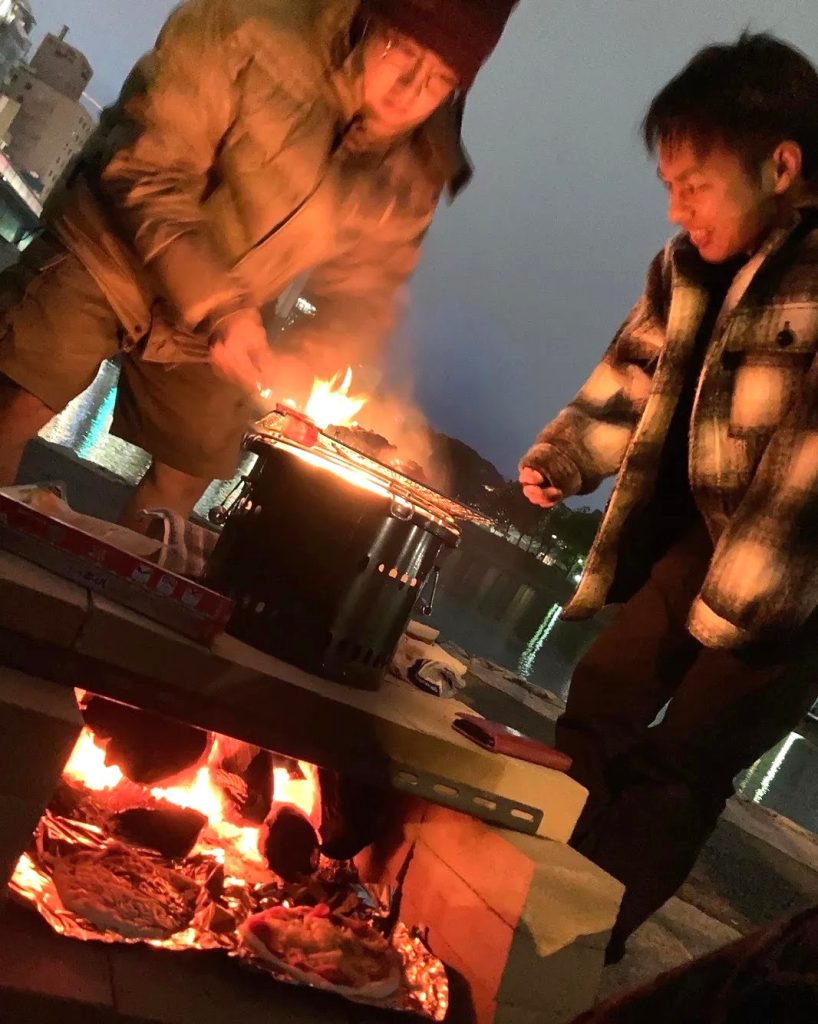
Changing My Question—and Finding a Realistic Way to Contribute
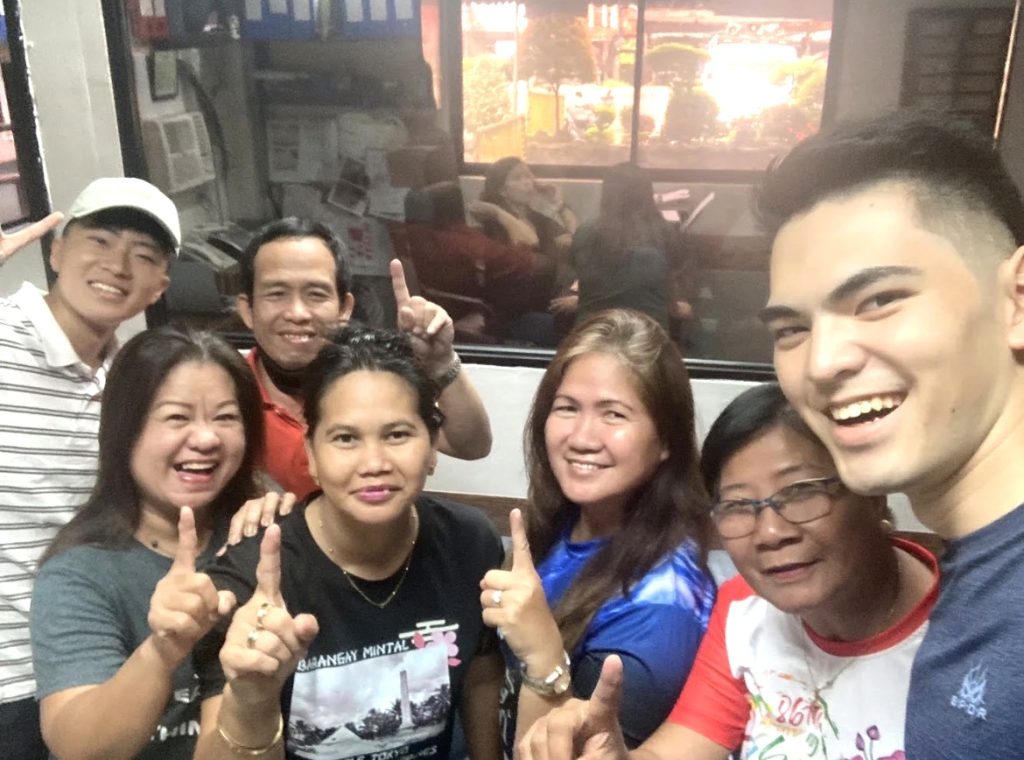
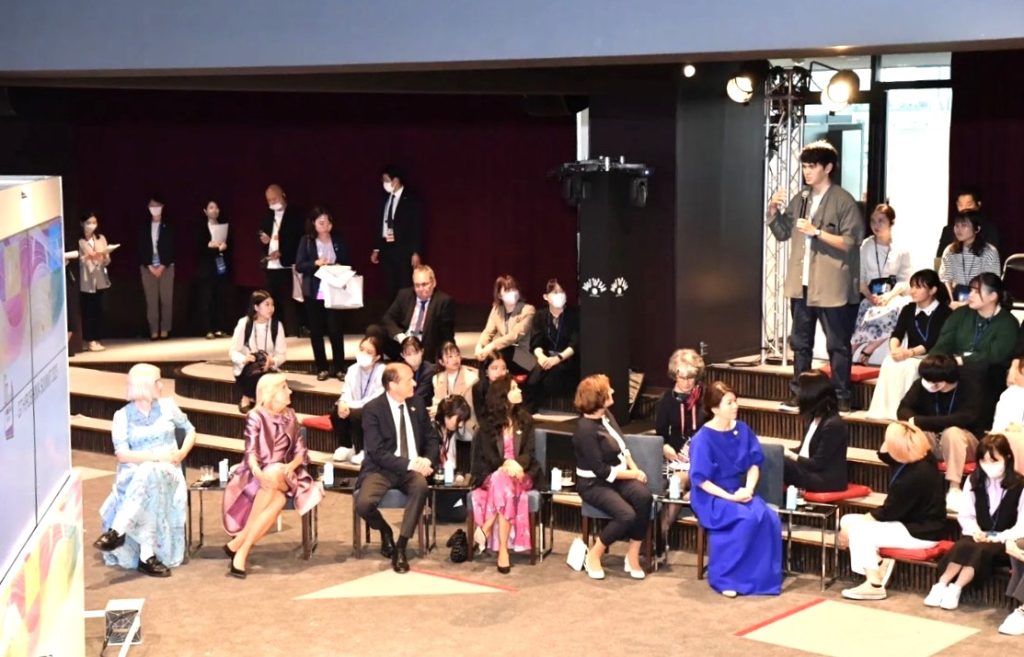
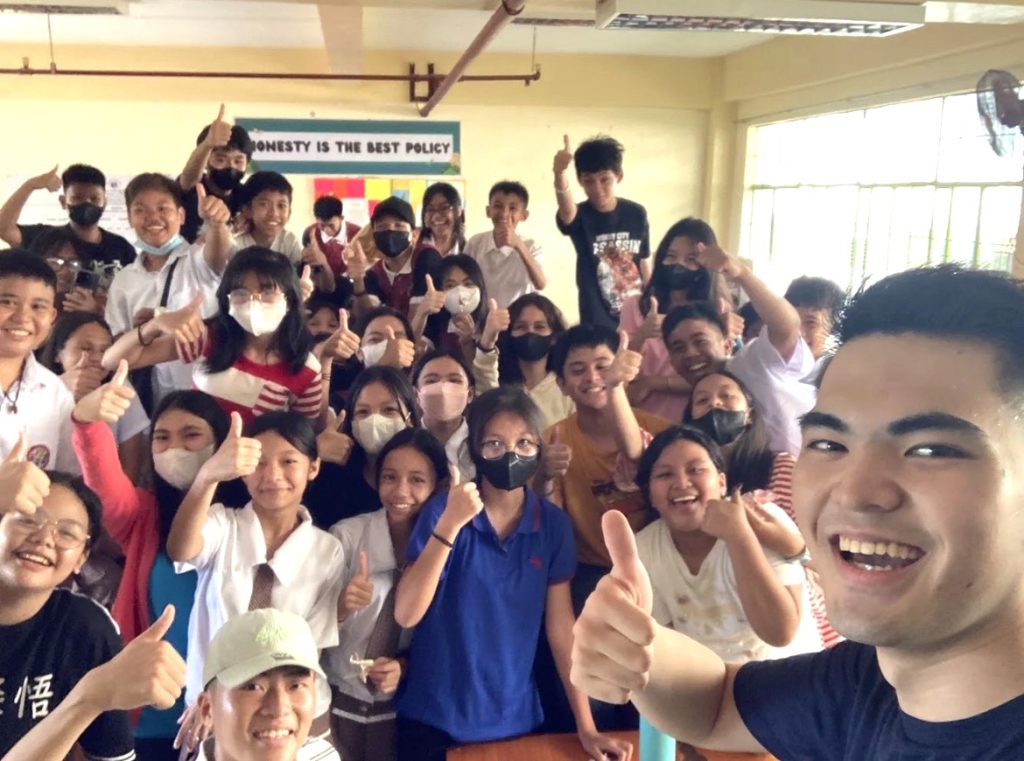
When I was younger, I believed wholeheartedly that “I want to change the world” and “I want to save people suffering from poverty.” However, through my studies and study‑abroad experience, I came to understand the harsh realities and complexities of the world, as well as the limitations of what one person can influence.
From there, my central question shifted from “How can I change the world?” to “What can I do right now?” I realized that my contribution could begin with something as simple as making the people right in front of me smile. By steadily building small, sincere actions, I developed Self‑improvement, one of the five competencies emphasized at Eikei University of Hiroshima—learning, practicing, reflecting, and applying those lessons again and again.
Looking ahead to my life beyond university, I hope to cherish each connection—with family, friends, colleagues, and everyone I meet—and continue taking actions that support the happiness of those around me. Even if the results are not grand, I believe that these accumulated efforts will someday reach someone in ways far beyond what I can imagine.
Message to Prospective Students and Juniors
I hope that all students preparing to enter university will remember to value their well-being—both mental and physical. At Eikei University of Hiroshima, many students take initiative not only in their classes but also in extracurricular activities, clubs, and various projects. Their dedication is truly admirable, yet I often feel that many of these highly driven students are also the ones who push themselves the hardest without realizing their limits. I, too, have experienced moments when I overworked myself without noticing.
When you are putting your heart into something, it is easy to set your own needs aside. But whenever you feel even a little tired, I hope you will allow yourself to pause—without hesitation. Taking a short break, doing something you enjoy, or talking to someone you trust—these small acts can protect your mind and body.
University life offers great freedom and countless opportunities to take on challenges. That is precisely why maintaining your own pace is so important. When your mind and body are healthy, you’re learning, activities, and daily life all become richer and more fulfilling.
Please take good care of yourself and walk your own path through university in a way that feels true to you.
May your tomorrow be gentle, warm, and full of ease.
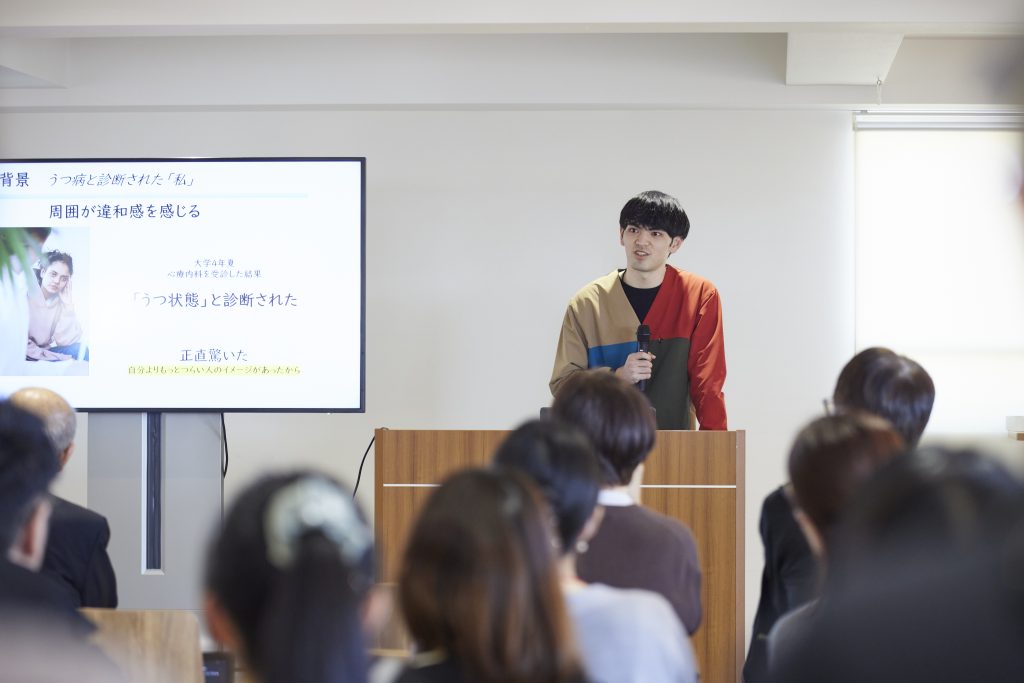
[Degree Project] Public Presentation Held – EIKEI UNIVERSITY OF HIROSHIMA(Japan)