
Degree Project Case Introduction

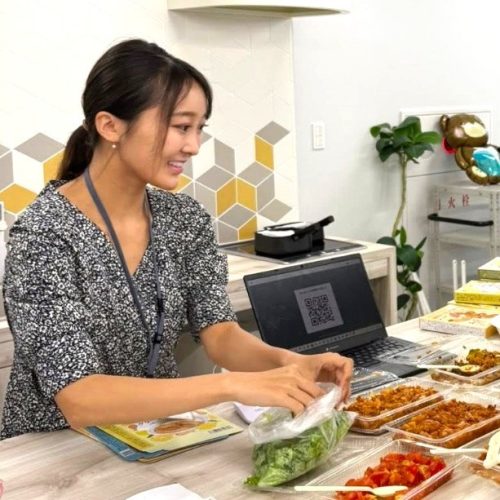
KIMURA Ayano
April 2022 admission
Promoting Dietary Diversity through the University Cafeteria — A Challenge to Introduce Permanent Vegan Menu Options —
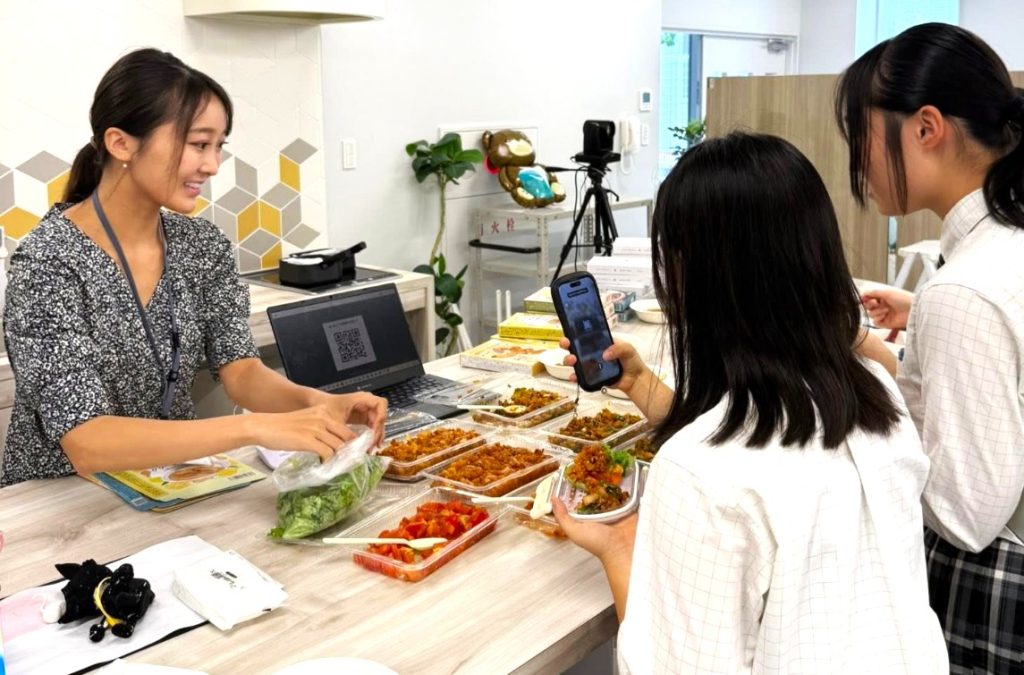
For my Degree Project, I have been working on permanent vegan menu options at the cafeteria of Eikei University of Hiroshima. The motivation came from my own experience as a vegan, as there were almost no suitable options available at the university cafeteria. I believed that this unmet need deserved attention.
I became vegan before enrolling at Eikei University of Hiroshima. When I visited a pet shop, I noticed that a puppy I had purchased was being discounted, which made me question the idea of placing a price on life. Through reading about the realities behind the live animal trade, I began to wonder: “If companion animals that are loved by humans can be treated this badly, what about livestock raised solely to be eaten?” As I researched further through social media, I encountered footage of slaughterhouses. This experience deeply shocked me.
Feeling strong anger toward both my past self—who had consumed meat without awareness—and the broader social systems that support such practices, I decided not to contribute to the livestock industry for the sake of animals and chose a vegan lifestyle that excludes animal-derived foods.
Approximately 30 percent of the students at Eikei University of Hiroshima are international students, and the campus is home to individuals from diverse cultural and social backgrounds. Despite this, the cafeteria offered very few menu options accommodating vegans, vegetarians, or halal dietary needs. I felt a strong sense of discomfort with the fact that, despite the university’s commitment to diversity, dietary diversity had been largely overlooked.
At first, my thinking was driven primarily by emotion: “There must be a need for vegan options, so they should be introduced.” However, when preparing to propose this idea to the company operating the cafeteria, I realized there was a significant gap between what I personally believed to be necessary and what would be beneficial for the food service provider. I learned that introducing new menu items requires consideration of costs, preparation time, workload, and sales performance.
To bridge this gap, I conducted stakeholder research from three perspectives: the on-site kitchen staff, student cafeteria users, and the food market and operating company.
Interviews with chefs and kitchen staff revealed key concerns, including the need for menu items that require minimal preparation, can be cooked quickly, and strike a balance between taste and on-site workload.
A campus-wide student survey showed that many students prioritized taste, appearance, and satisfaction over whether a dish was vegan.
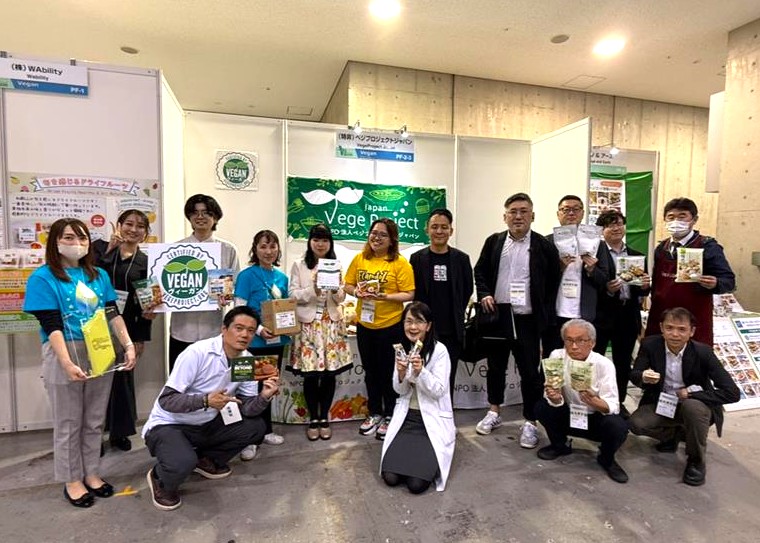
In addition, through internships at nonprofits and companies, I became involved in planning plant-based products such as vegan ready-made curries. These experiences showed me that products balancing taste, price, and ease of preparation are increasing, and that public acceptance can change significantly depending on how such products are presented.
Based on these findings, I developed two feasible vegan menu items: taco rice and gapao rice made with soy-based meat. Both recipes were designed to be simple to prepare, provide a sense of fullness, and keep costs low.
I was also mindful that explicitly labeling dishes as “vegan” might discourage non-vegan students from choosing them. For this reason, I intentionally designed the menu so that the items would appear similar to regular cafeteria offerings.
The prototype dishes were tested at a tasting event held at Joshibi University of Art and Design, using connections from my internship. More than 90 percent of participating students rated the dishes as “very delicious” or “delicious,” and approximately 86.7 percent did not realize the meals were entirely plant-based until after finishing them.
Drawing on these results, I am currently preparing proposal materials for the Academic Affairs Office and the cafeteria management company, focusing on three key points: on-site workload, student needs, and cost and serving methods. In case permanent menu adoption proves difficult, I am also considering flexible alternatives, such as selling vegan ready-made curry at the campus shop, which can be heated in a microwave as a “Plan B.”

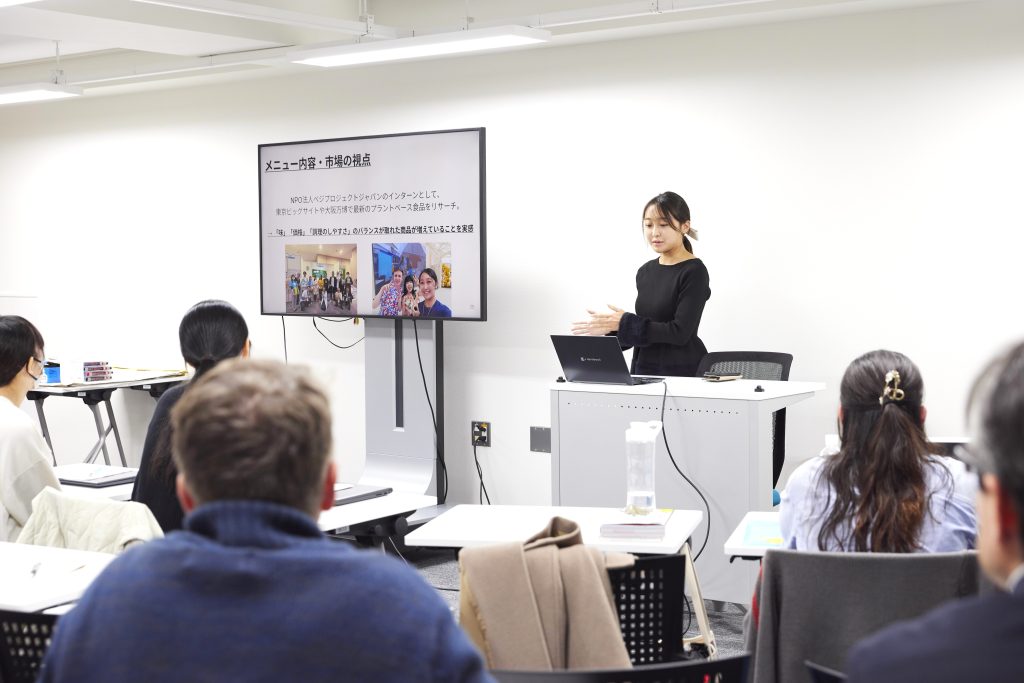
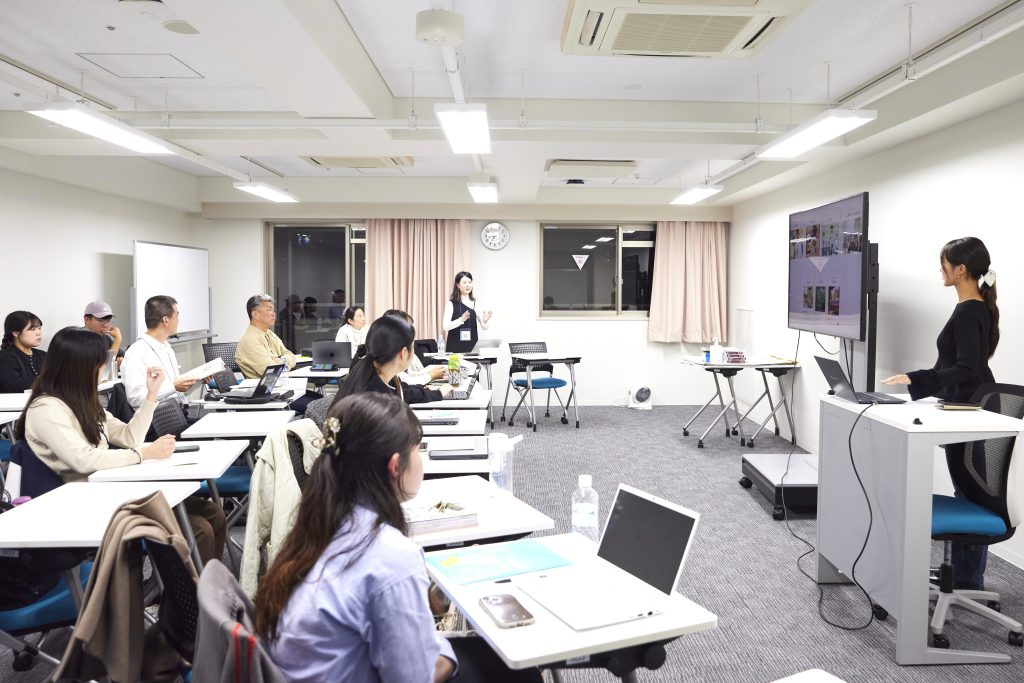
At the Second-Degree Project Presentation Session, held on November 10, 2025, I received valuable feedback from external evaluators TANOMI Atsuyo, Representative of Asano Hitokuchime, and Mr. TANAKA, Researcher at the Graduate School of Media and Governance, Keio University.
Ms. TANOMI suggested researching cooking methods used by universities that have already introduced vegan menus. Drawing on her experience in the food industry, she emphasized the importance of how food preparation and presentation are communicated to users, helping me realize that not only the menu itself, but also how it is presented plays a crucial role in attracting interest.
From a different perspective, Mr. TANAKA encouraged me to explore the processes behind how universities have successfully introduced vegan menus. The suggestion that the introduction process itself possesses reproducible value resonated strongly with me, as it underscores the importance of seeking practical, implementable model cases rather than limiting the research to individual examples.
The most significant lesson I learned through this Degree Project was the importance of not pushing forward based solely on my own sense of correctness but instead making proposals while considering the perspectives and benefits of all stakeholders involved. Through research and trial and error, I developed a more multi-faceted viewpoint, asking questions such as: “What are the benefits for the operating company?” “Is the workload realistic for kitchen staff?” and “Is this menu appealing even to non-vegan students?”
Looking ahead, my goal is to open a vegan restaurant in Kenya, and I am currently conducting field research on restaurants there. By establishing a restaurant in Kenya, I hope to attract attention from Japanese media, expand awareness-raising activities in Japan, and eventually engage in food education for children and broader educational initiatives on how animals are treated.