Degree Project Case Introduction


YONEHARA Mana
April 2022 admission
Studying the Challenges and Opportunities of Inclusive Education in Nepal
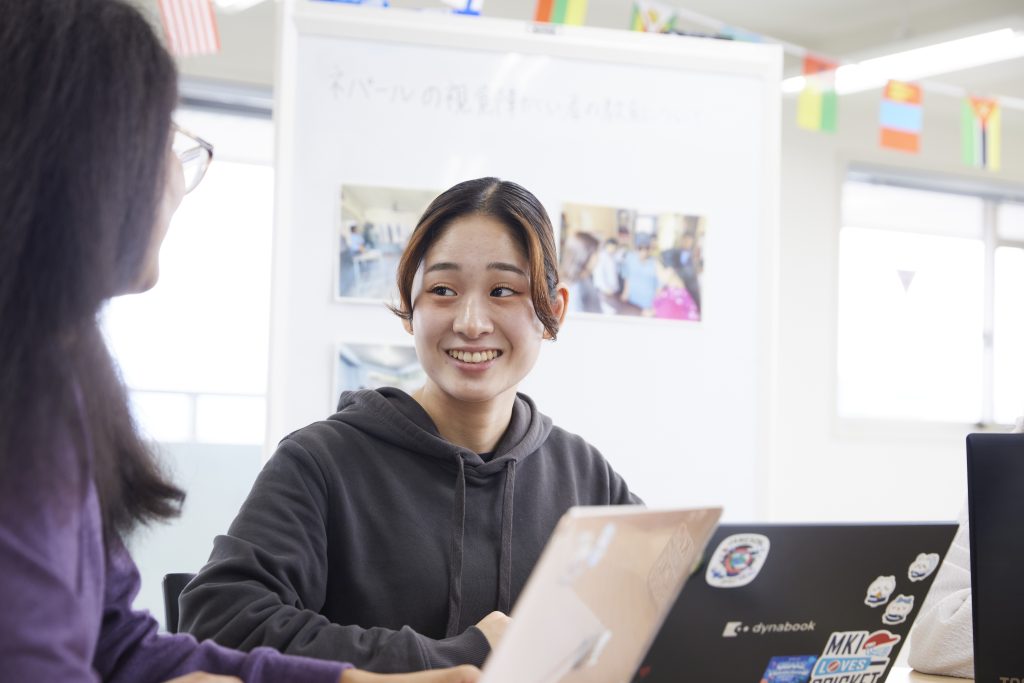
For my Degree Project, I have been conducting research on inclusive education in Nepal.
I have long been interested in Nepal and international cooperation, and during my second year of Eikei University of Hiroshima, I joined an overseas volunteer program in Kathmandu as a part of the university’s Experiential and Practical Programs Abroad.
I also grew up with my grandfather, who is blind, and therefore I am interested in the issues surrounding disabilities as a family member of a person with visual impairment. My grandfather worked as a teacher at a school for the blind. This background led me to question: “My grandfather was able to become a teacher, but what opportunities are available for people with visual impairments in developing countries?” This became the starting question of my Degree Project.
In Nepal, it is said that children with visual impairments do not have full access to education. Through the desk review, I developed a hypothesis that three main factors may be contributing to this situation namely;
Social prejudice and discrimination;
Physical and systemic barriers; and
Limited availability of educational and support-related information for families of children with visual impairments
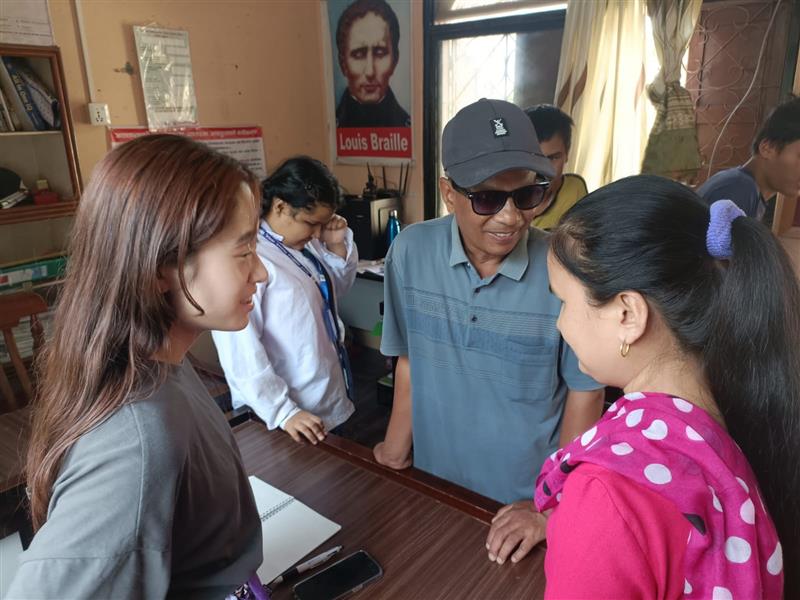
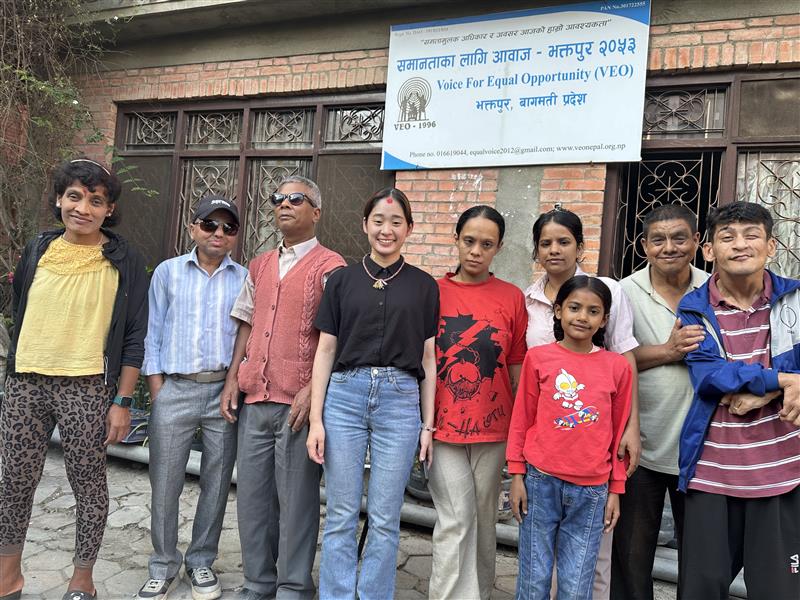
To verify this hypothesis, I conducted fieldwork in Nepal for two months between August and October 2025. Although I faced many challenges such as language barriers and experiencing political demonstrations firsthand, I was able to gain significant insights thanks to the cooperation of the Nepal Association of the Blind (NAB).
Through observations of nine special schools across the country where students with visual impairments can attend, several issues became clear. For example, many students’ ages did not match their grade level. This is due to the time required to acquire braille literacy and the limited number of schools implementing inclusive education, causing delayed learning to start with.
Additionally, braille materials available for students are only of government-issued textbooks, creating a substantial gap in out-of-class learning opportunities compared to sighted students. I also found disparities in the quality of education between these special schools.
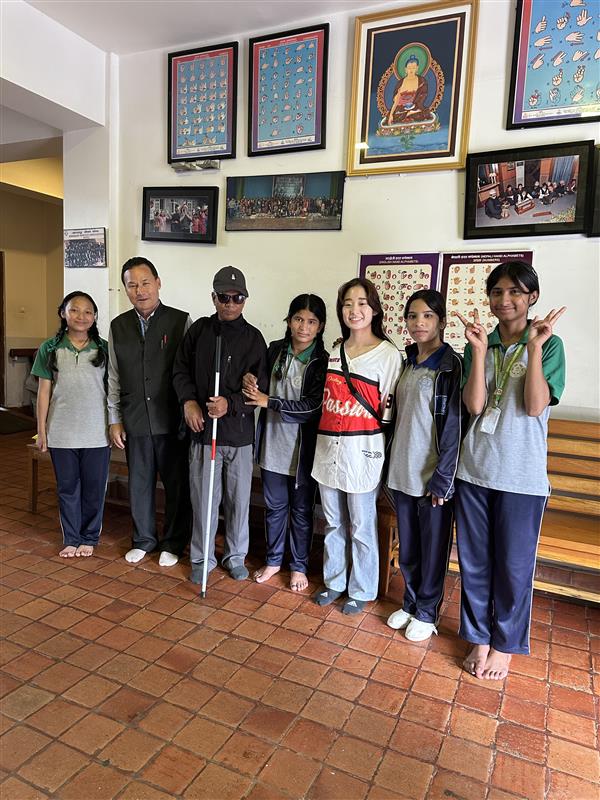
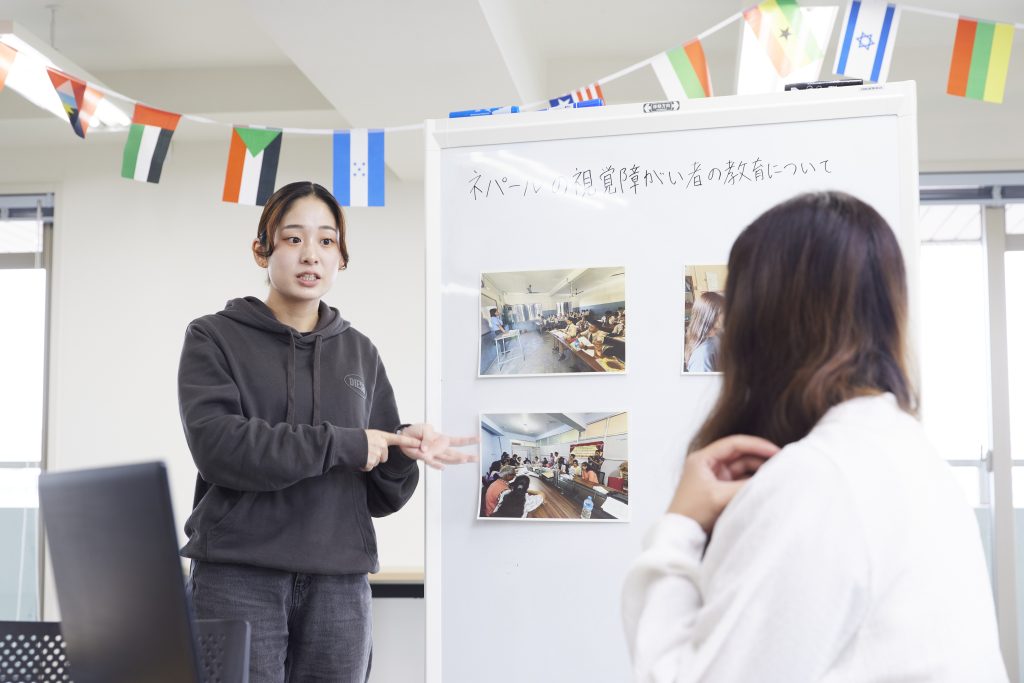
In interviews with students, their families, and teachers, I carefully considered how to approach participants as a Japanese student researcher—how to build rapport and what questions would allow me to understand their thoughts and feelings.
While students shared various difficulties they face, many also expressed happiness about being able to attend school, which made me realize that education significantly contributes to building their self-esteem.
Interviews with teachers revealed that although they have strong passion, the systems and training necessary to support their efforts are insufficient.
Based on these insights, the next step of my Degree Project is to provide information to NAB to help improve access to support and educational resources for families, and to contribute to increasing the number of supporters beyond those directly affected. I also hope to continue this research in graduate school.
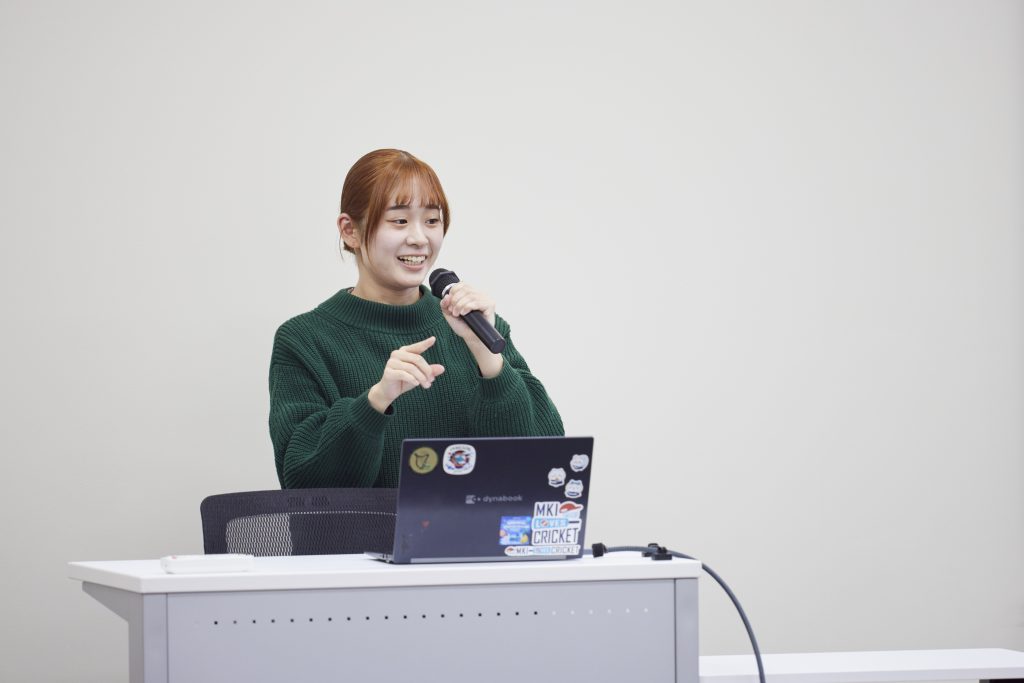
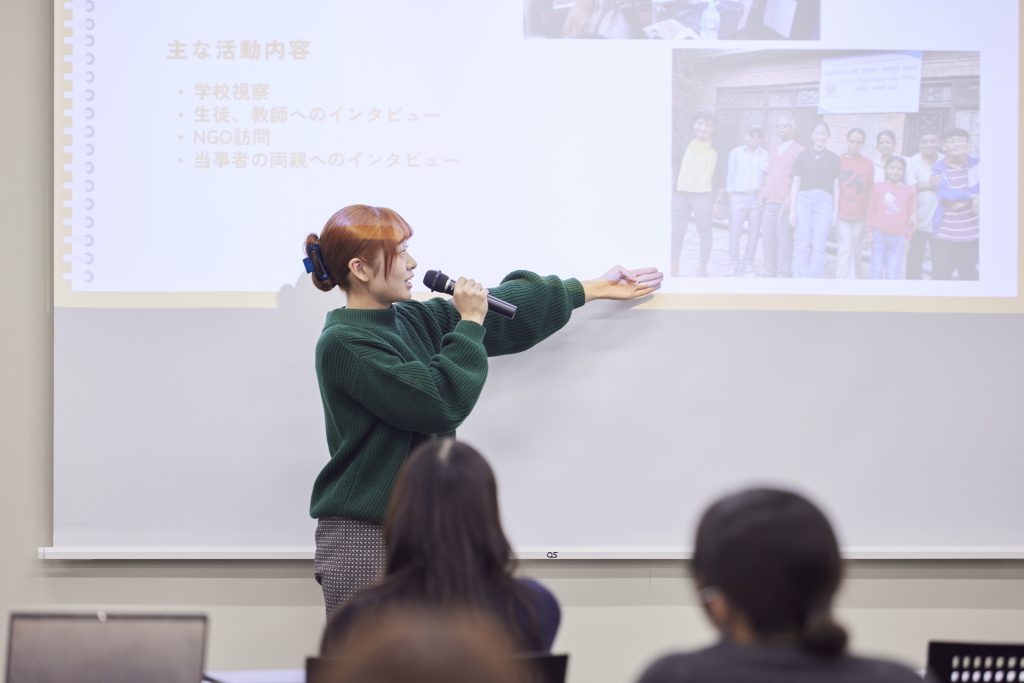
At the second presentation of my Degree Project, held on November 11, 2025, I received feedback from two external reviewers:
Mr. NISHIMAE Yoshirou, President of Grow Up Co., Ltd., and Ms. INOUE Yae, Director of the Hiroshima Prefecture Office for Supporting Diverse Lifestyles.
Mr. NISHIMAE asked, “How would you like to be involved in support activities in the future?”
I shared that I plan to pursue a master’s degree at a university in the United Kingdom (starting in September 2026) to study international education development, and that I hope to work in educational projects by JICA, international organizations, or NGOs in developing countries. He pointed out that there also are many possible career paths—working in government to engage in system design, working in NGOs at the field level, or contributing from the business sector.
Ms. INOUE commented that although efforts toward improving accessibilities are progressing in Japan, many challenges still remain, and she encouraged me to actively share such issues with government agencies.
The problem-solving skills and fieldwork methods I learned at university, as well as the English proficiency I developed through the Intensive English Program, have given me confidence in applying these abilities in practice. Courses on multicultural coexistence and international cooperation also broadened my perspective and supported my personal growth.
Spending two months in Nepal changed the way I perceive things. Many people in Nepal live happily despite the lack of developed infrastructure. I realized that this is partly because they focus not on what they don’t have but on what they do have—and they support one another. I was deeply inspired by this mindset, and I feel that it has strengthened my own ability to approach challenges positively.
Moving forward, through graduate studies and further field research, I hope to contribute to creating systems that enable children with disabilities in developing countries to receive an education as a matter of course. I want to continue my research without forgetting the voices of the people I met in the field.