About
Alumni

OKANO Kanta
March 2026 Graduation
Updated March 2026
Four Years of Constant Inspiration from Peers with Diverse Strengths
Choosing Eikei University of Hiroshima for a Stimulating University Experience
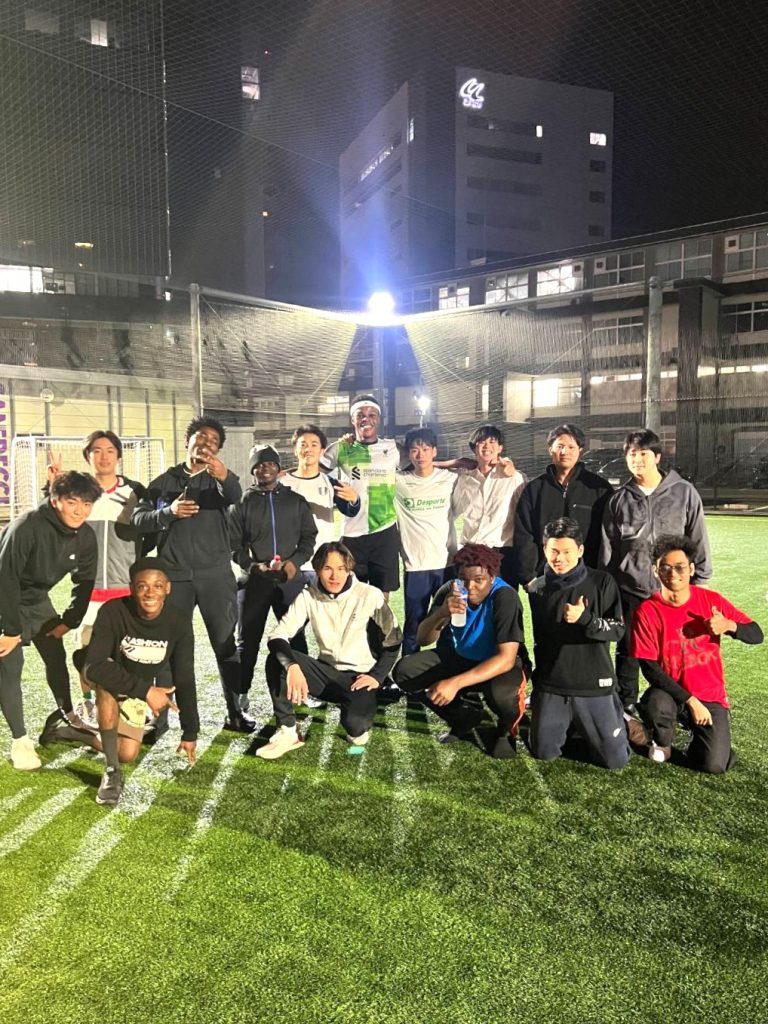
Before entering Eikei University of Hiroshima, I did not have a clearly defined dream. Even so, I strongly wanted to develop my abilities to their fullest. Having devoted myself to soccer throughout high school, I hoped to place myself in a completely new environment at university—one where I could broaden my perspectives and values through friendly competition with students from diverse backgrounds.
Rather than having a concrete future plan, my main goal before enrollment was to challenge myself, grow through those challenges, and avoid having an “ordinary” university life.
When I entered the university, it was only in its second year. I felt that because the institution was still taking shape, I would be able to grow alongside it, taking on challenges together. This feeling became a major reason behind my decision to enroll.
I was also drawn to the curriculum, which allows students to learn across disciplines through Liberal arts subjects, enabling me to fully expand my interests and explore a wide range of fields. Additionally, the small‑class environment—where students from both Japan and abroad study together and engage actively in discussions and practical learning—was highly appealing.
I believed that an environment where I could learn proactively through dialogue and hands‑on experiences would allow me to grow the most, and that is why I chose Eikei University of Hiroshima.
Facing Challenges as a Team with Peers Who Hold Diverse Values
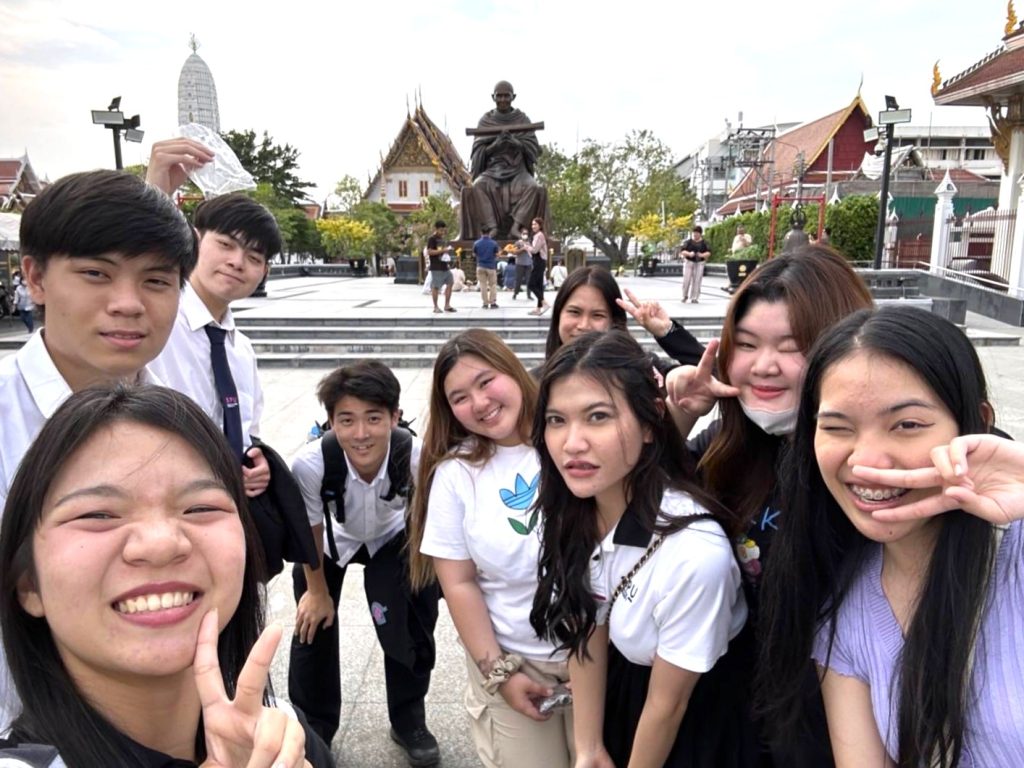
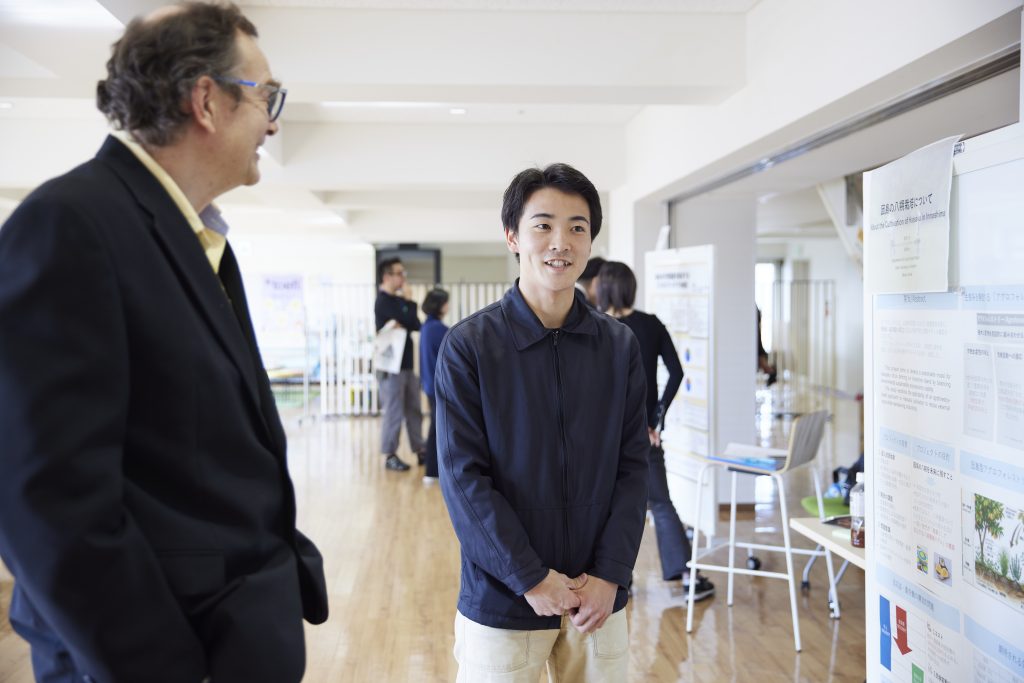
In the Facilitation course at Eikei University of Hiroshima, I learned not only theoretical frameworks but also practical methods of dialogue and consensus‑building based on real experiences shared by a professor with extensive fieldwork in international cooperation. The class included international students and peers from different year levels, creating an environment where diverse values intersected.
In this setting, I had the opportunity to think practically about questions such as: What role should I take within a team? How can we define a problem and guide a group toward agreement when perspectives differ or conflict?
Through these experiences, I felt that my understanding of how to approach challenges as a team—and how to navigate diverse viewpoints—expanded significantly.
Encountering Social Issues in the Field of Food
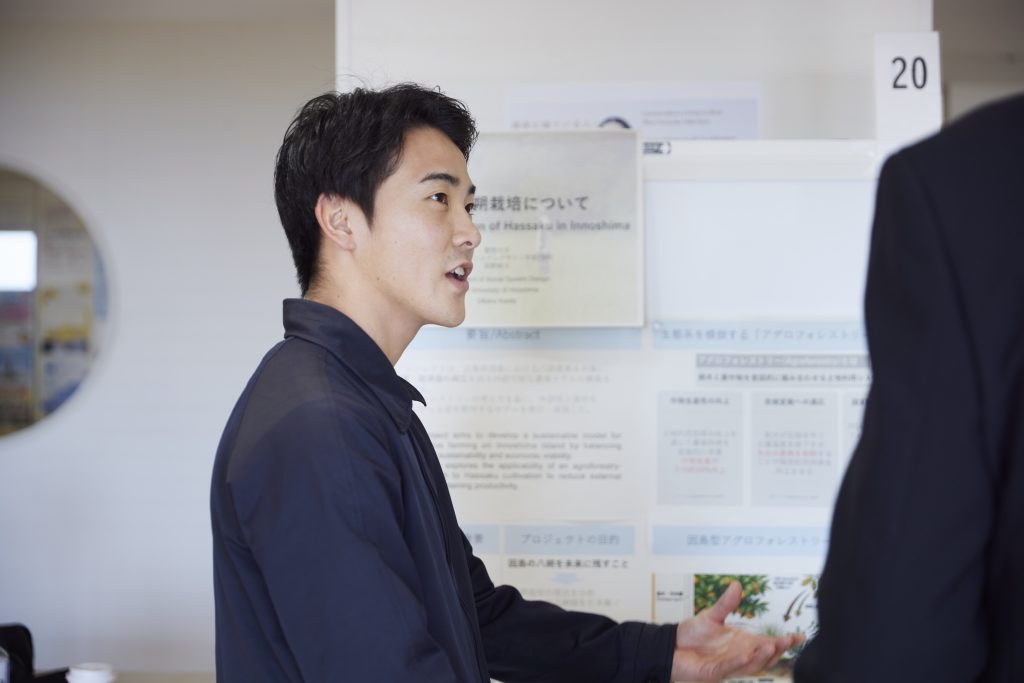
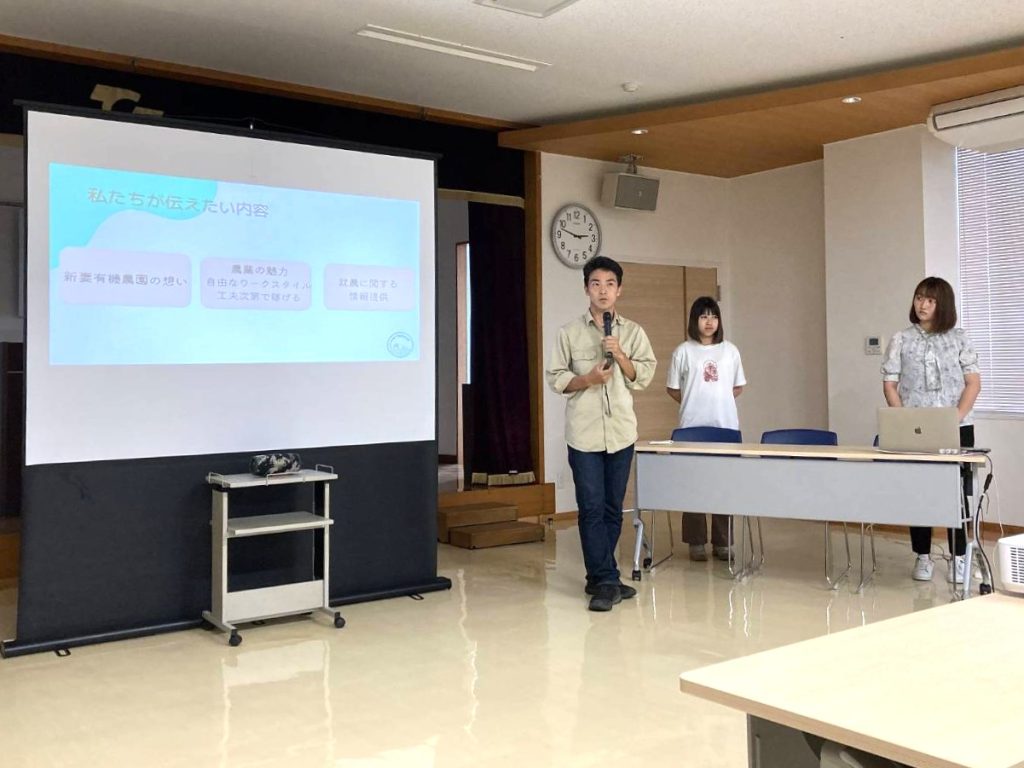
Through internships and volunteer activities in the Experiential and Practical Programs, as well as my Exchange Program, I developed a strong interest in the field of food. Something that had always felt “ordinary” in my daily life suddenly appeared very different when I learned how food availability varies greatly by country and region.
I came to realize that what we consider “a given” is not guaranteed. I also learned that climate change and international affairs can easily destabilize our future food systems, and that food security is directly connected to the sustainability of society as a whole. These experiences broadened my perspective and led me to envision a future where I could engage with food systems and local production environments.
After graduation, I will join a food‑related company, where I hope to contribute to building sustainable structures in the fields of food and agriculture. My goal is to serve as a bridge between production sites and consumers—communicating the value and background of food, and helping society understand the importance of supporting agriculture collectively.
In a sector deeply affected by climate change and global conditions, I also want to take on the challenge of establishing strong foundations that connect local communities with the wider world.
By continuing hands‑on, field‑based work, I hope to grow into someone who can contribute to both local and global communities and help pass on a sustainable society to the next generation.
Message to Prospective Students and Juniors
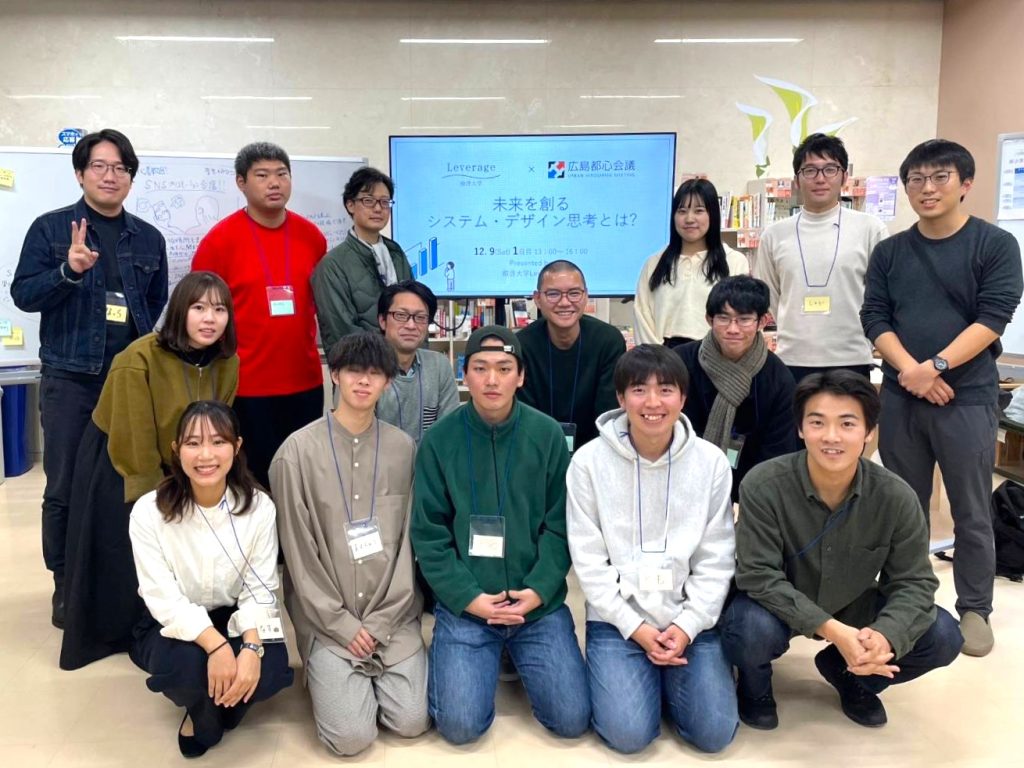
I hope that all future students will cherish their friends and the environment around them. At Eikei University of Hiroshima, where students from diverse backgrounds learn together in small classes, each encounter becomes deeply meaningful.
The casual conversations and collaborative experiences you share—both inside and outside the classroom—will greatly broaden your perspectives and ways of thinking. And when you face challenges or take on new opportunities, it is those close peers who will be there to support you. These connections continue even after graduation and become a lifelong asset.
I encourage you to value not only the visible outcomes in front of you, but also the relationships you build with the people around you.