
Degree Project Case Introduction


NARUGE Uruka
April 2021 admission
Creating an Everyday Life Where Children Who Do Not Attend School Can Go Out on Weekdays
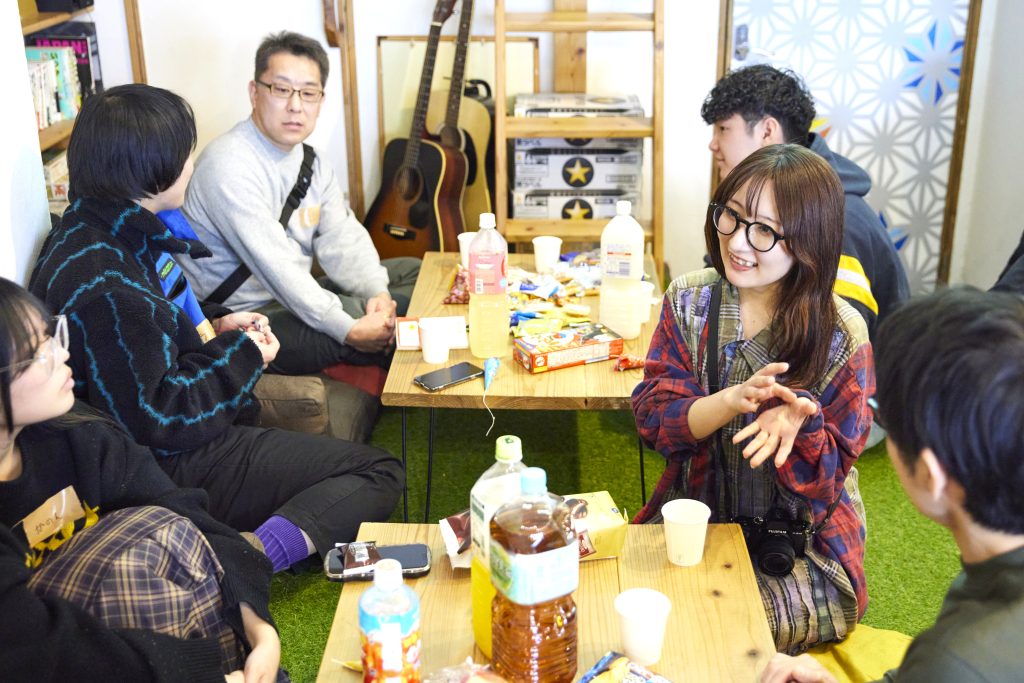
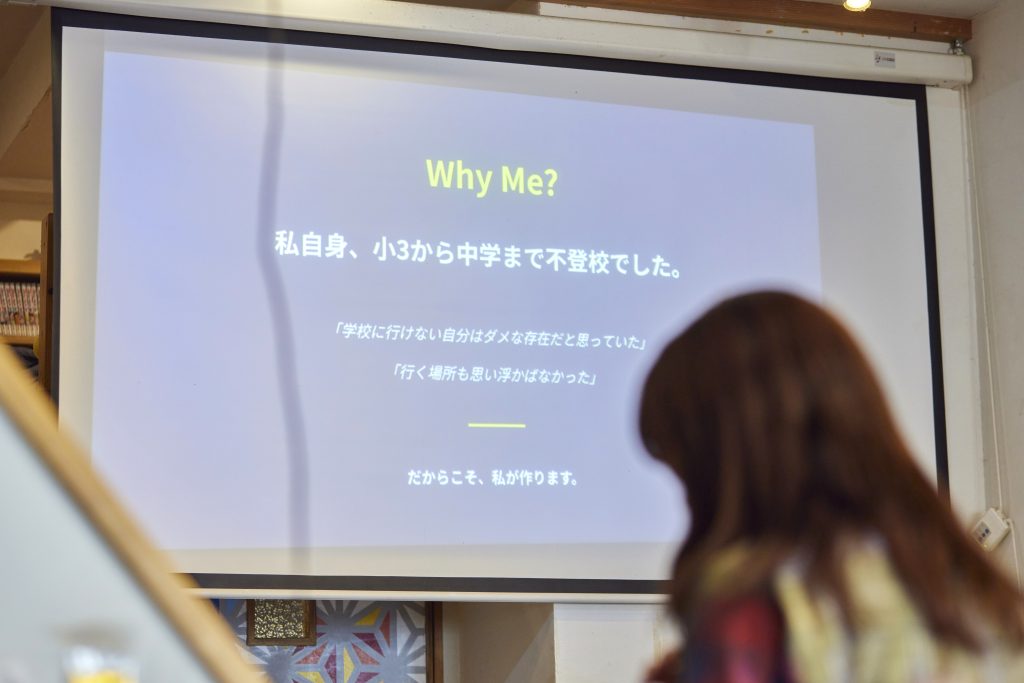
From the third grade of elementary school through junior high school, I did not attend school. During that time, I constantly carried a sense of guilt caused by casual remarks from others and the unspoken social expectation that “children should go to school.” Drawing on these experiences, I began organizing events for children who do not attend school, their families, and educators while I was in high school, and I have continued working on related projects since then.
Through my Degree Project, I am addressing the issue of the lack of places to go faced by children who do not attend school and their parents. Society and adults often say, “It’s okay not to attend school,” or “There are places where you belong.” However, once a child stops going to school, there are very few concrete options indicating where, with whom, and how they can spend their time. As a result, many children spend weekdays isolated at home, blaming themselves and gradually becoming disconnected from society. This is the reality I want to change.
Through literature reviews and interviews with children themselves, parents, and supporters, I identified several structural factors contributing to this lack of accessible places.
- Lack of places: Social systems are designed based on the assumption that minors are at school on weekdays, leaving very few places they can go outside of school.
- Fragmented information: Even when accessible places do exist, information often does not reach those who need it. As a result, such places are not recognized as available options, or people simply do not know how to search for them.
- Psychological barriers: Concerns about being reported to schools or authorities for going out during weekdays, as well as intrusive questions such as “Why aren’t you in school?”, reinforce feelings of guilt and make children hesitant to leave home.
Another striking finding from the interviews was the strong desire for “places and people who treat us normally, without special treatment.” Rather than “places specifically for children who do not attend school,” respondents expressed a need for diverse spaces open to everyone.
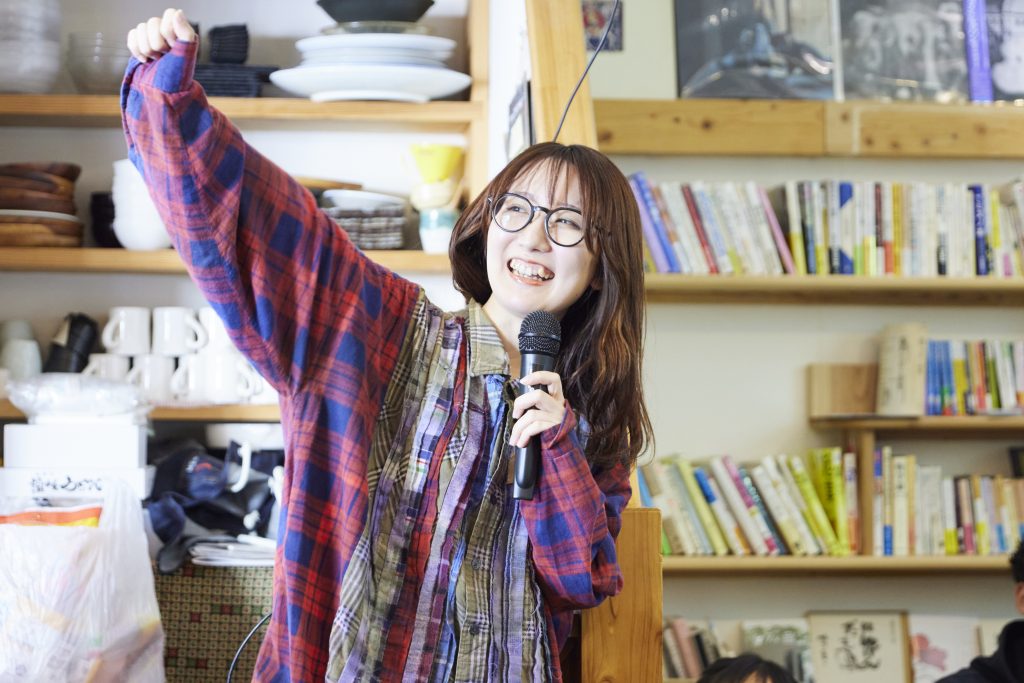
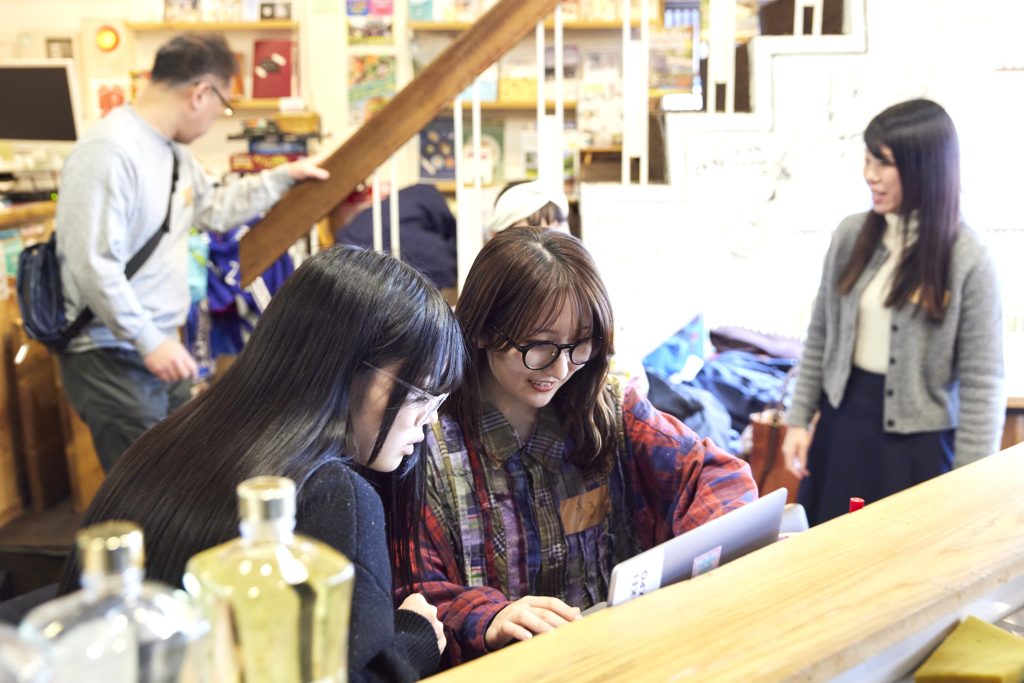
In response, I proposed the Ibasho Project, a concept centered on a tentative “outing portal website” for children who do not attend school.
The website aims to visualize a wide range of places—such as libraries, cafés, museums, children’s centers, and university campuses—that are open to everyone, yet have rarely been recognized as places children can visit during weekday daytime. Beyond listing addresses and business hours, the site is designed to provide practical, real-life information, including whether reservations are required, the availability of WiFi and power outlets, how likely visitors are to be asked “Why aren’t you in school?” (shown with star ratings), and user reviews.
I was also careful not to overly emphasize the context of school non-attendance. Instead of labeling locations as “places for children who do not attend school,” the site introduces them as “easy places to go” or “recommended outings and ways to spend time.” This design choice aims to allow users to go out simply as individuals, rather than being defined by a specific label.
To ensure the project continues after graduation, I established a collaborative framework with a nonprofit organization that shares the same vision.
When I shared multiple prototypes with children who do not attend school, parents, and supporters, many responded by saying, “This is exactly the website I wanted,” or “It’s hard to come up with places to go, which is why this kind of system is necessary.” These reactions reaffirmed the value of making information about places visible. I also received feedback such as, “It’s great that this outing site is made for young people, not just for parents or supporters,” confirming that a neutral design encourages casual and comfortable use.
In addition, I launched a crowdfunding campaign to raise funds for website development and to build a community of supporters. Within one week, the campaign reached its goal of 1,000,000 yen and ultimately raised 2,260,000 yen with support from 235 individuals. Reading messages such as “This is something I wish had existed when I was younger,” and “This site will help many families,” I felt that an issue long marginalized in society was finally beginning to receive attention.
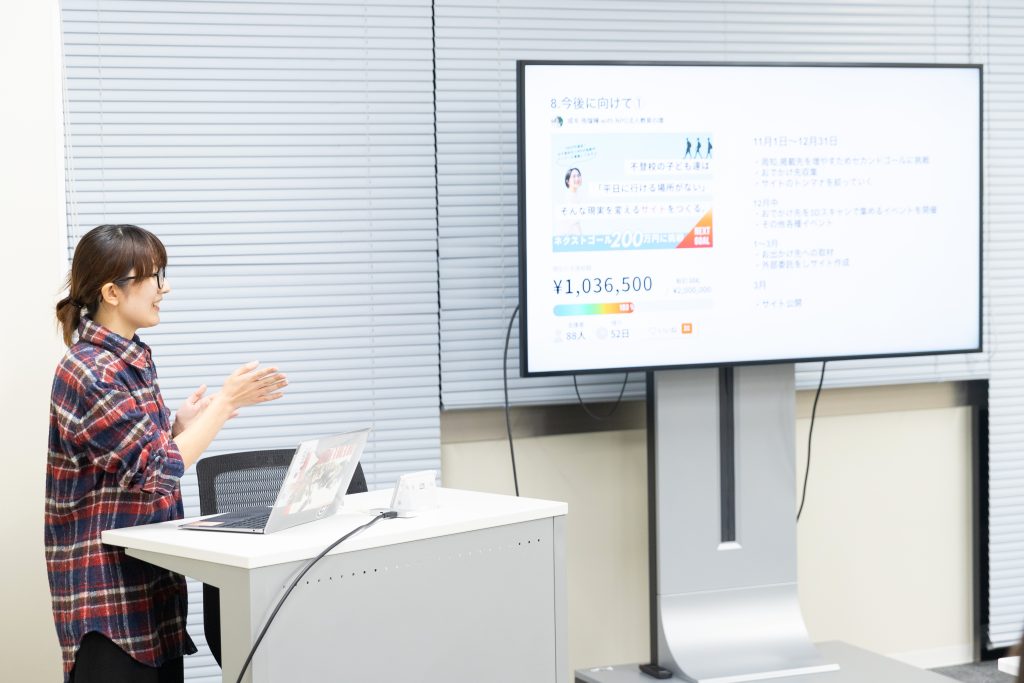

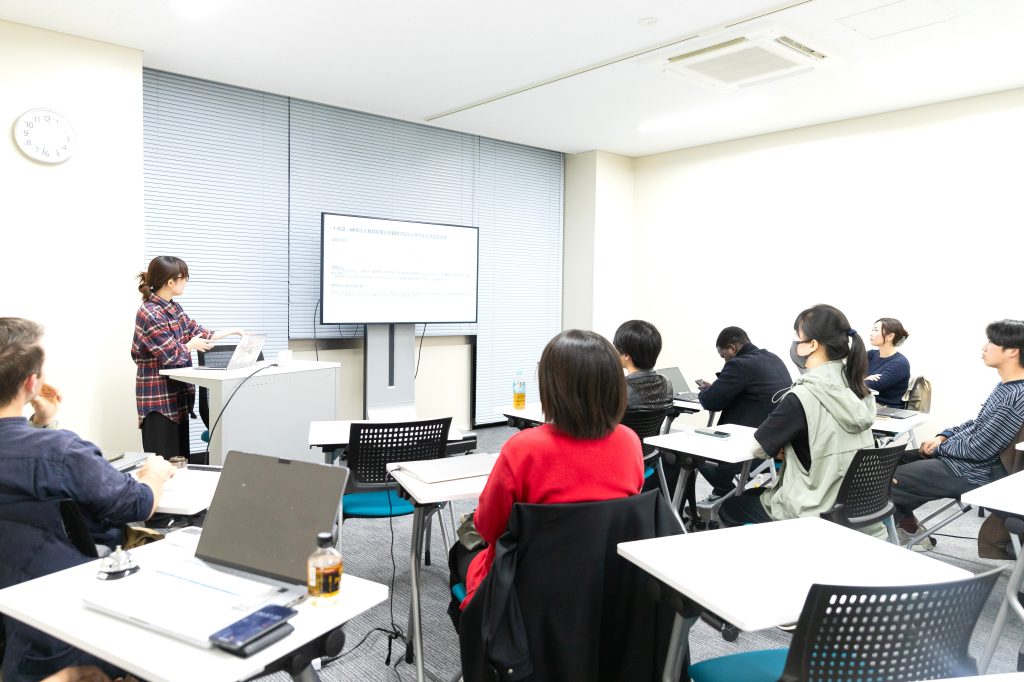
At the Second-Degree Project Presentation Session, held on November 12, 2025, I received feedback from SHINKE Miho, Community Manager at DoTS Inc., and Dr. Robert Dormer, Associate Professor at Hiroshima JOGAKUIN University.
Ms. SHINKE asked about my vision for the project after the portal site is launched. In response, I explained that I would like to continue bringing together places that resonate with the values of the project. Rather than ending with the creation of the website, expanding a circle of shared purpose and connecting it to real spaces and communities will be the next important step.
Dr. Dormer praised the portal site itself, describing it as “very well designed and an excellent outcome.” Having my carefully developed work recognized gave me confidence and became a strong motivation for my future activities.
Through this project, I also feel that I have grown significantly. Managing a long-term project almost entirely on my own required me to constantly consider when, with whom, and what decisions should be made. Through this process, I strengthened my skills in planning and building consensus within a team.
The Ibasho Project will continue beyond graduation. My future goal is to increase the number of places where children can feel, “It’s okay to go outside,” and “It’s okay to be here,” and to create a society in which children can go out—whether they attend school.