Degree Project Case Introduction

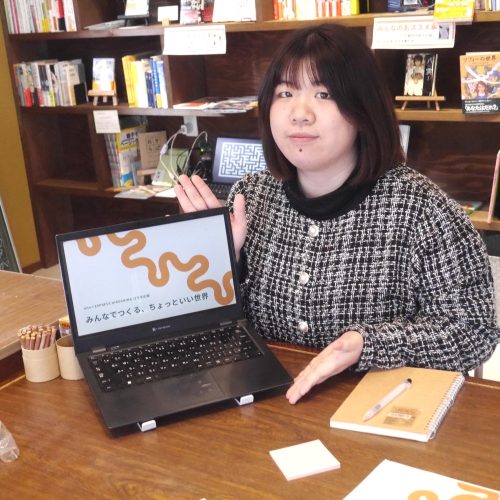
KAJIWARA Momoe
April 2022 admission
Exploring “Stakeholder ship,” “Recognition,” and “Inheritance”
Through Peace Activities in Hiroshima

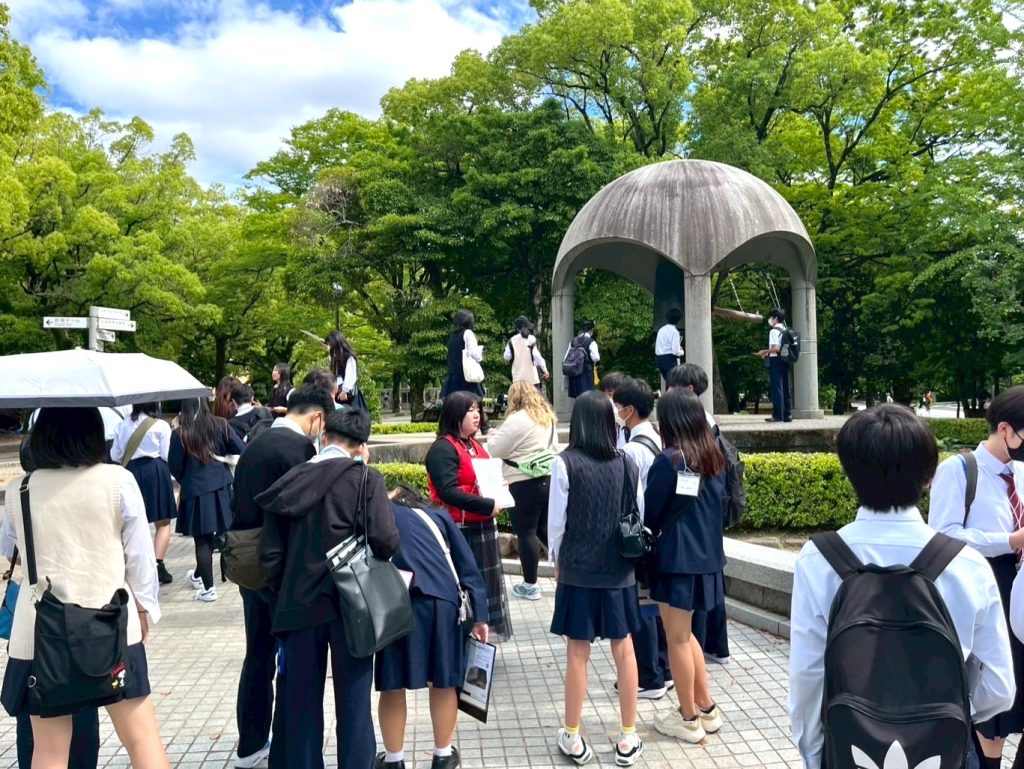
Based on my experiences in peace activities in Hiroshima, I am working on a Degree Project that explores the factors behind why it is difficult for people in Japan to engage in social movements.
My involvement in peace activities began when I participated in a Model United Nations program as a junior high school student. In high school, I took part in signature campaigns and other initiatives as a High School Peace Ambassador, and I continue today to engage in activities related to nuclear abolition and peace. At the same time, I have felt a sense of discomfort in seeing many people who are interested in peace but do not act. Clarifying the reasons behind this discomfort is the purpose of my project.
One of the key perspectives I focused on is the relationship between stakeholders and non-stakeholders. Hibakusha (atomic bomb survivors), their family members, or people with formal titles are often accepted as “those who should speak.” Meanwhile, people without such positions tend to hesitate, wondering, “Is it really okay for someone like me to talk about peace?” I formed the hypothesis that whether one is perceived as a “stakeholder” may influence the psychological barriers to participating in peace activities.
To examine this hypothesis, I placed particular emphasis on autoethnography, by closely reviewing my own experiences. I reflected on the peace activities I had been involved in and carefully put into words what was happening at the time and how I felt in each situation.
In addition, I conducted literature reviews and interviews with individuals who have experience in peace activities. Through these interviews, I found that many people described a sense of fulfillment when their activities were recognized by others. This suggested that the presence or absence of recognition plays an important role in motivating participation.
As I continued my research, I also focused on the concept of inheritance, which is a distinctive perspective in peace activities. The inheritance of Hibakusha experiences has become an increasingly important theme in recent peace efforts, and I believed that analyzing this concept further could lead to new insights.
While working on my Degree Project, I was able to clarify thoughts that had previously been vague by identifying key terms such as stakeholder ship, recognition, and inheritance. Although my findings are not yet fully consolidated, I see it as a meaningful outcome that I have been able to objectively examine and analyze my own experiences. At times, I struggled to determine the direction of my project, but by repeatedly revisiting its original purpose in consultation with my academic advisor, I was able to organize my thinking.
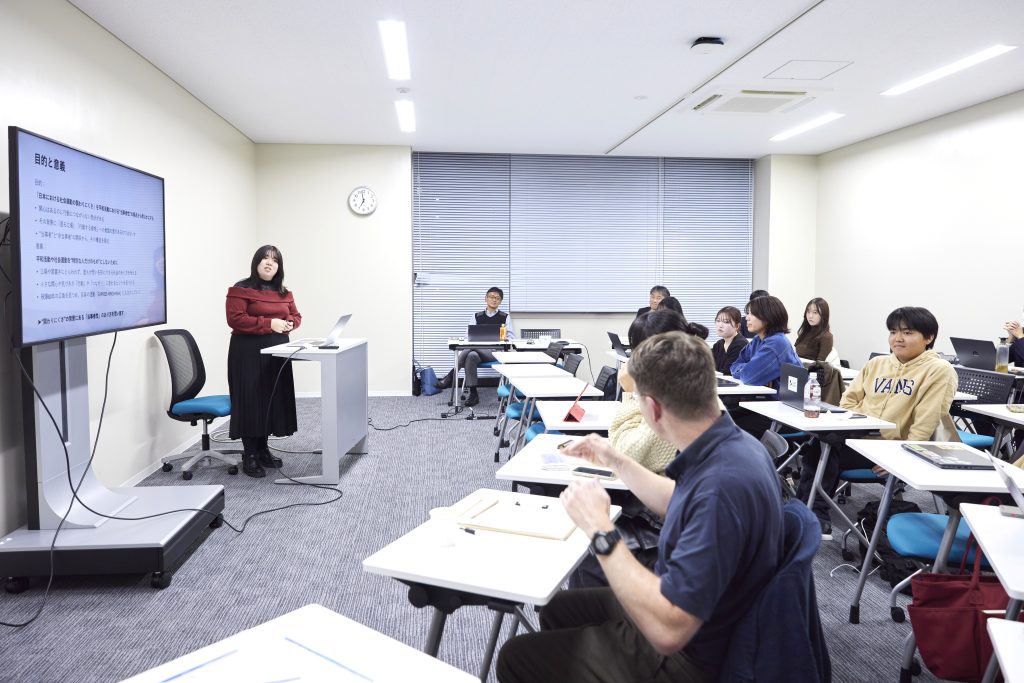
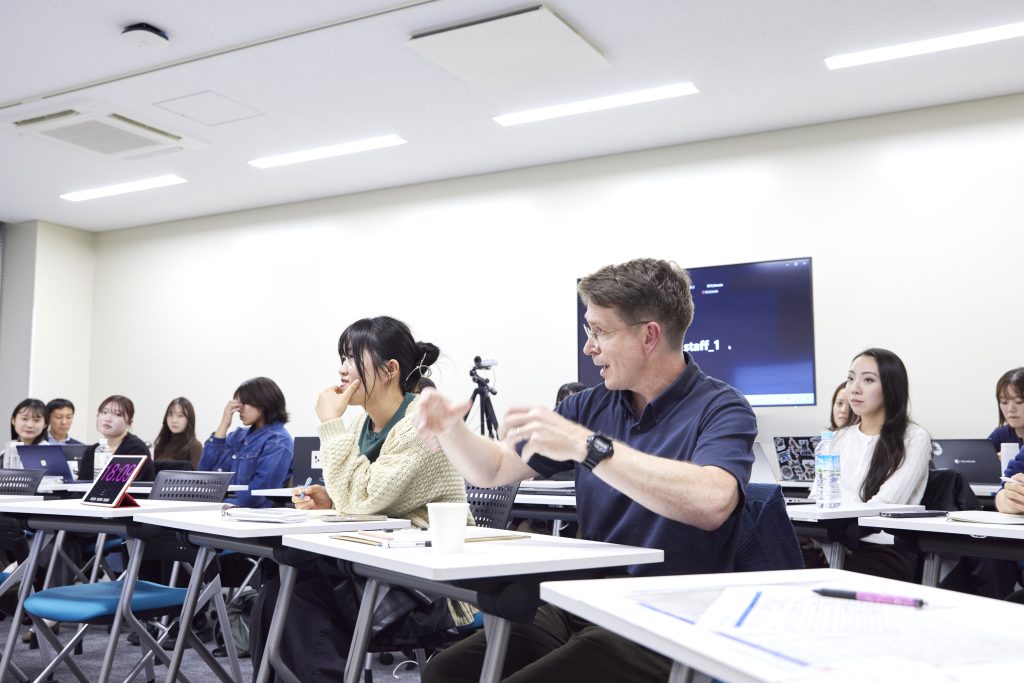
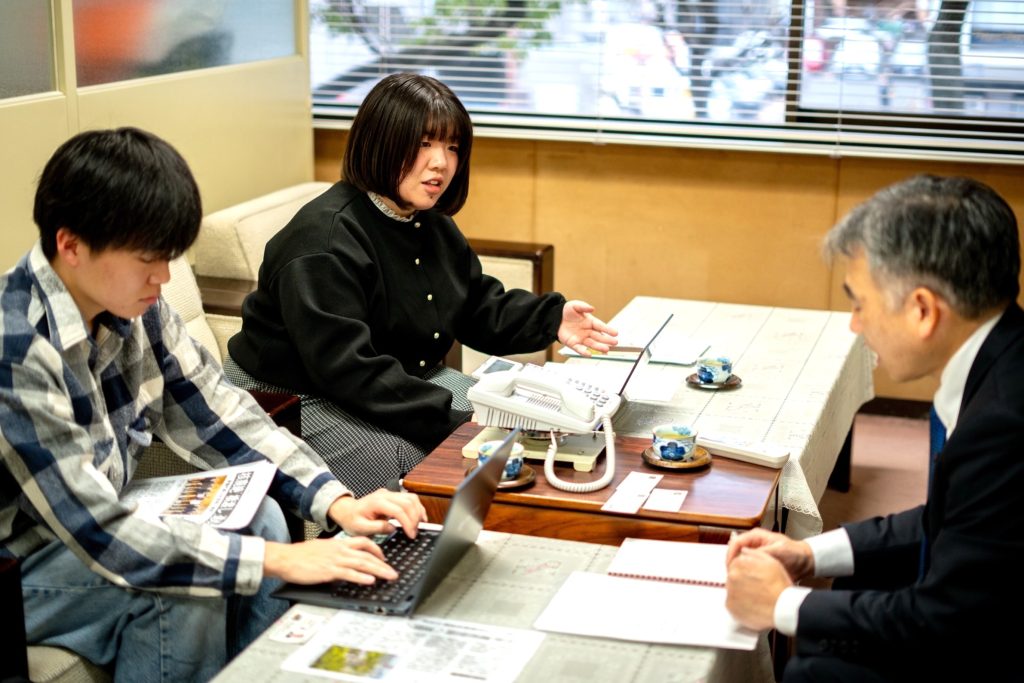
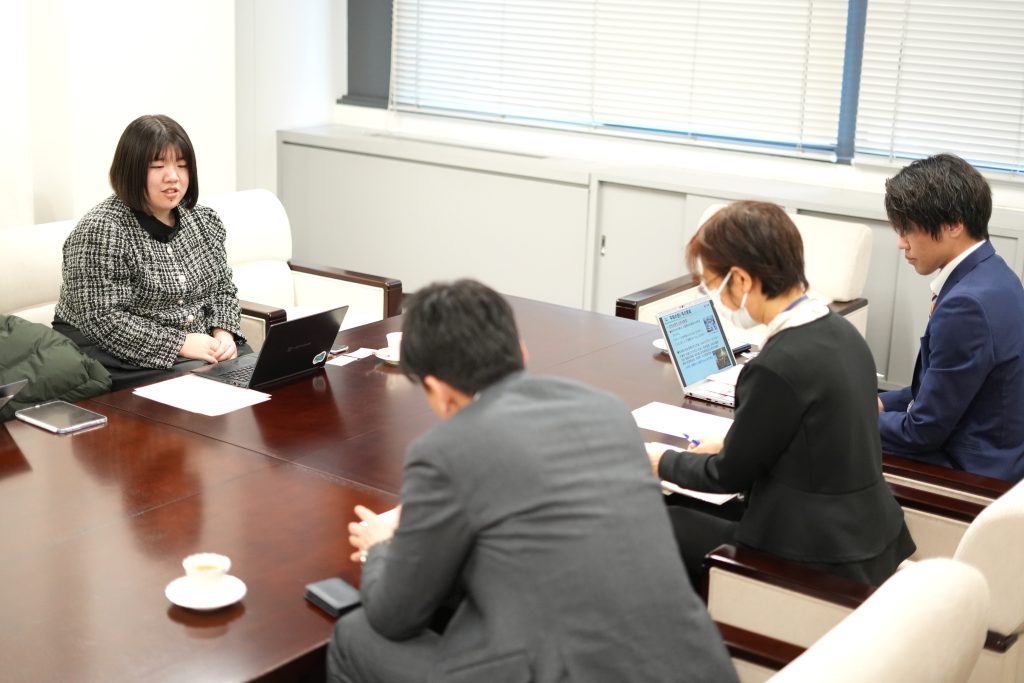
At the Second-Degree Project Presentation Session, held on November 11, 2025, I received feedback from external evaluators SORA Masao of the Tourism Division, Industry Department, Hatsukaichi City, and KAMAHARA Ryuichi of Digital Solution Co., Ltd.
Mr. Sora evaluated my approach of organizing the project around key terms, while also asking me to elaborate on the concept of “fluctuation,” which I mentioned in my presentation. By this, I meant the concern that peace activities themselves can become an end rather than a means. When the activity becomes the goal, the fundamental question of “What is peace for?” begins to lose its clarity, and I felt it was important to articulate this sense of unease.
Mr. SORA also raised the question of how to bridge the distance between peaceful activities and people with lower levels of interest. Drawing on examples from a peace project in which I was involved in planning and management, I explained that creating entry points that do not overly emphasize “peace” may be one approach to lowering participation barriers. However, I do not consider this a definitive answer—only one possible approach.
Mr. KAMAHARA asked what insights have emerged so far in relation to the project’s goal. I explained that my research reaffirmed that many people care about peace, and that I hope to connect these small, often unspoken thoughts to the next steps for engagement.
I was also asked by my instructor about the overlap between this project and a related project I worked on in the Current English course. The perspectives I gained through that course provided valuable support and new insights into the questions explored in my Degree Project.
Through this project, I have come to hope for a society in which people can express their thoughts and contribute to social dialogue regardless of their position or title. Going forward, I would like to continue deepening the insights gained from my Degree Project and applying them to the peace activities I remain engaged in.