Degree Project Case Introduction

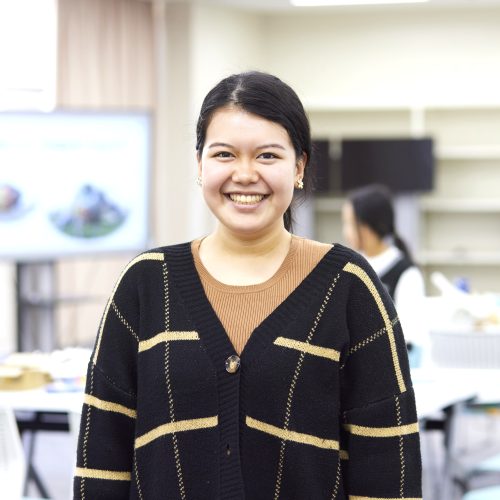
HAMAOKA Chisaki
April 2022 admission
Creating a “Third Place” at the University for Elementary School Children
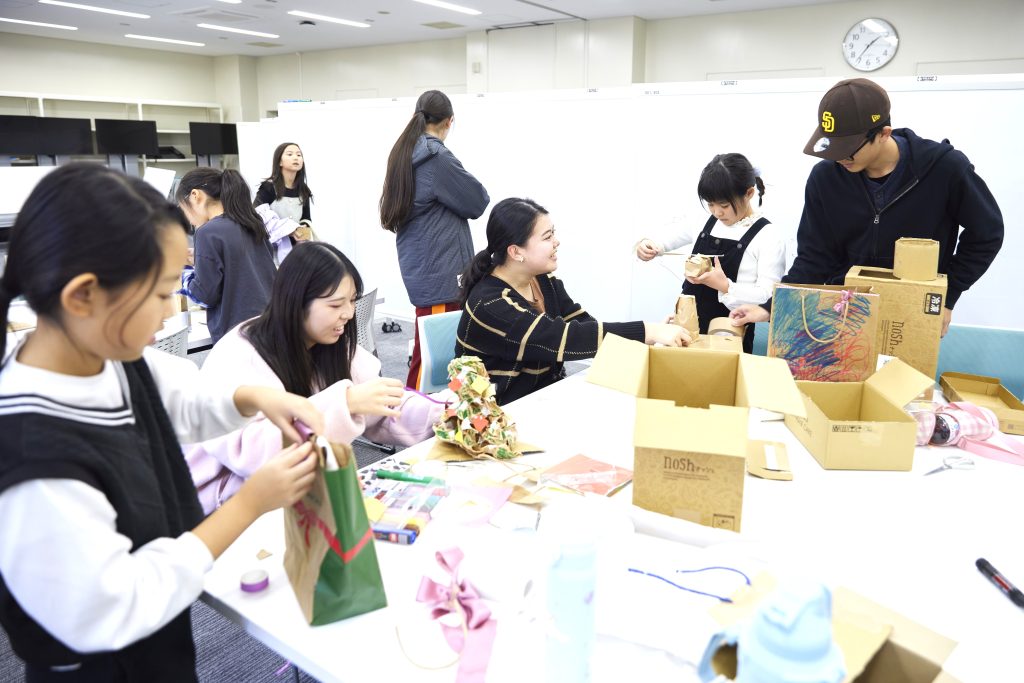
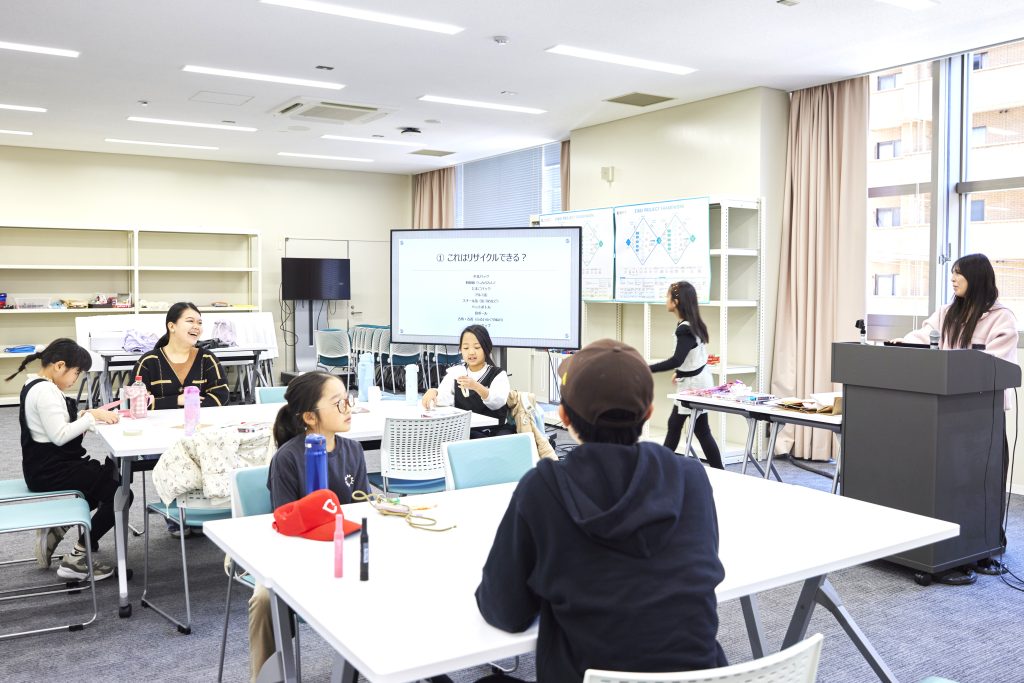
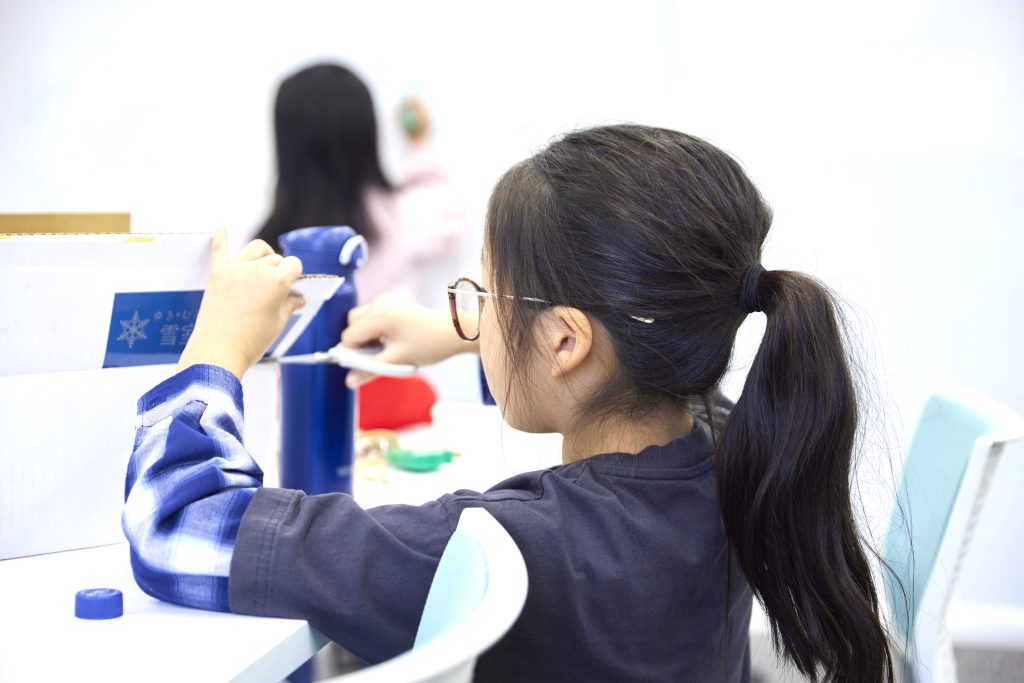
From the spring of my third year, I became involved in managing the after-school care program “Oideyo! Noborikko!”, and I chose this experience as the theme of my Degree Project.
“Oideyo! Noborikko!” is an after-school care program in which local elementary school children are invited to Eikei University of Hiroshima, where they spend time playing and learning together with university students. As the activities continued, we repeatedly heard from parents, “We are very satisfied with the program, so what we appreciate most is that it continues.” At the same time, however, a serious concern emerged: the number of university students involved in the program was insufficient, raising the risk that the program would become difficult to sustain in its current form.
In response, I set my Degree Project challenge as clarifying the value provided by the “Noborikko” program and exploring a system that would make both parents and university students feel that this is a program they want to continue being involved in.
For my Degree Project, I first conducted interviews with parents who are repeat participants in “Noborikko.” Through these interviews, I identified eleven key values offered by the program. Based on these findings, I then compared “Noborikko” with two other after-school care programs that have similar characteristics.
What stood out most was the unique strength of “Noborikko” as a program involving university students: the value it offers as “my university” for elementary school children. I realized this through an episode shared during a parent interview. When a child was asked by their apartment building’s caretaker, “Where are you going?”, the child replied, “I’m going to my university.”
Both the parents and I were surprised and delighted that an elementary school child perceived the university as “my place.” This episode symbolized how an after-school care program run by university students in a university setting can become a “third place” for children—beyond home and school.
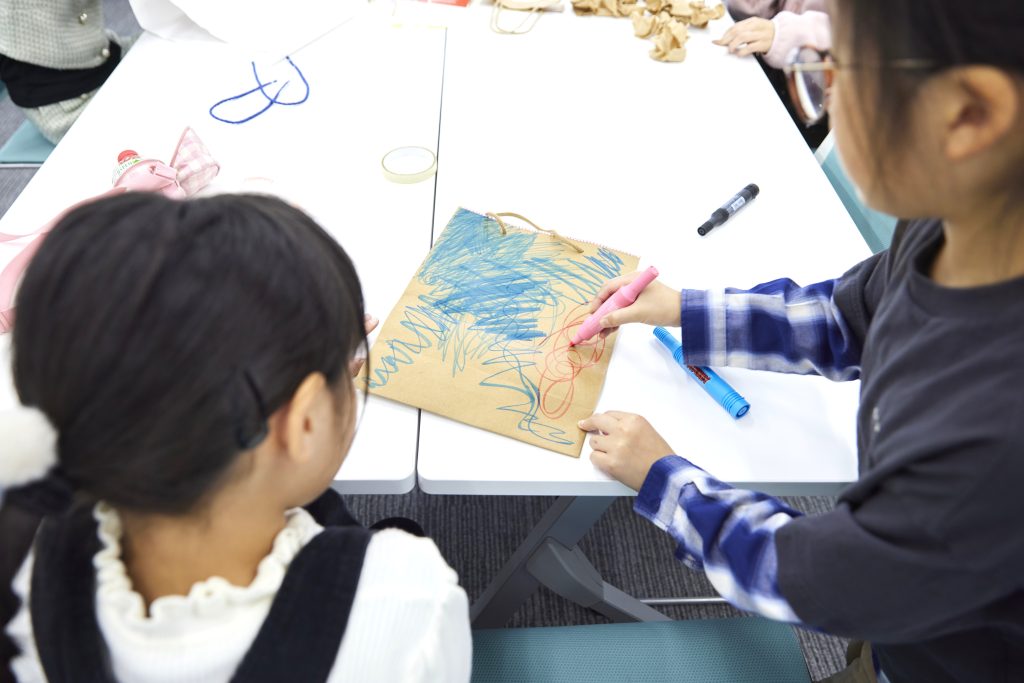
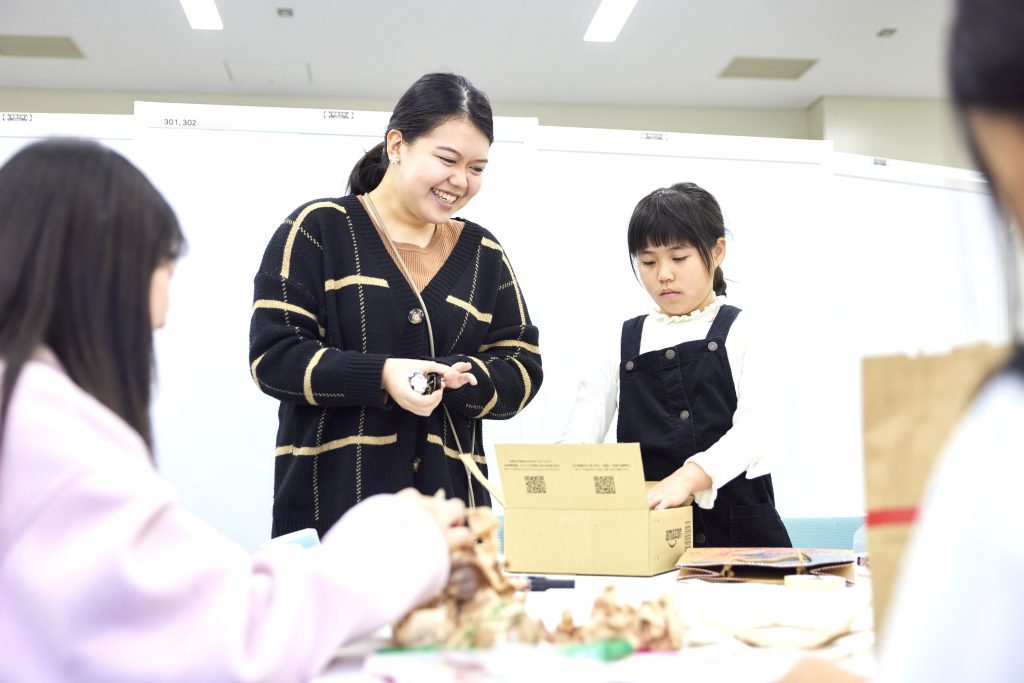
Next, I focused on how to effectively communicate the values of “Noborikko” that emerged through the interviews and comparative analysis.
One solution involved revising the program’s informational flyer to increase participation among elementary school children. The revised flyer aims to clearly convey to parents’ values such as “experiencing a world different from everyday life at a university” and “the university becoming a new place to belong.”
The second solution addressed increasing the number of university student volunteers. Using the back casting method, I envisioned both the ideal future of the program and the future paths of participating in students, looking from one year up to fifty years ahead. By communicating the kinds of future visions that students themselves can imagine through volunteering with “Noborikko,” I hope to attract more long-term participants.
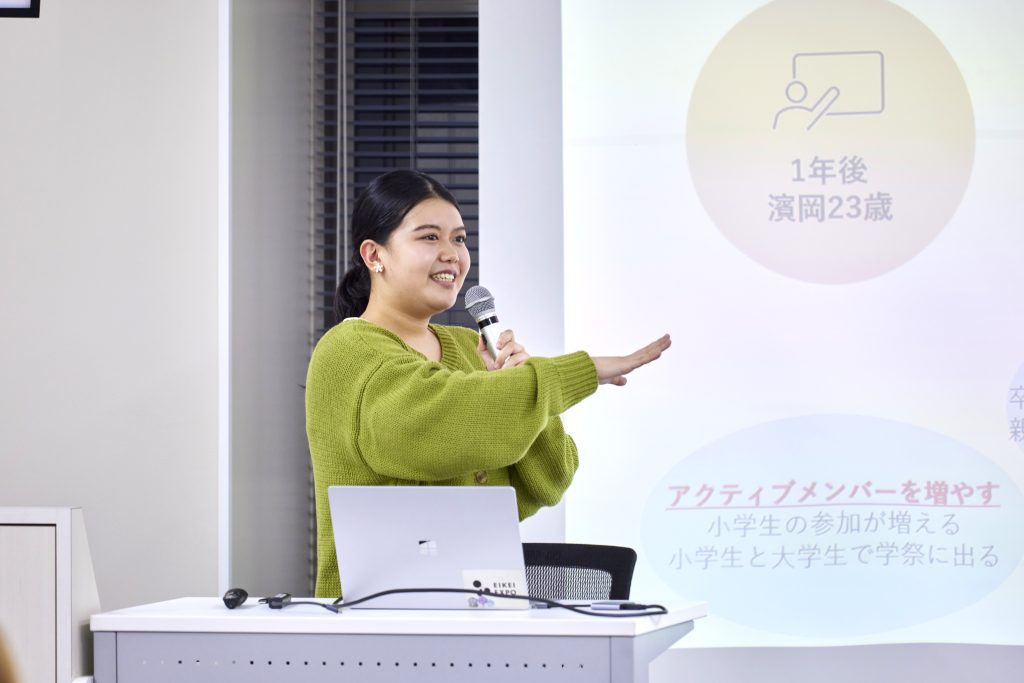
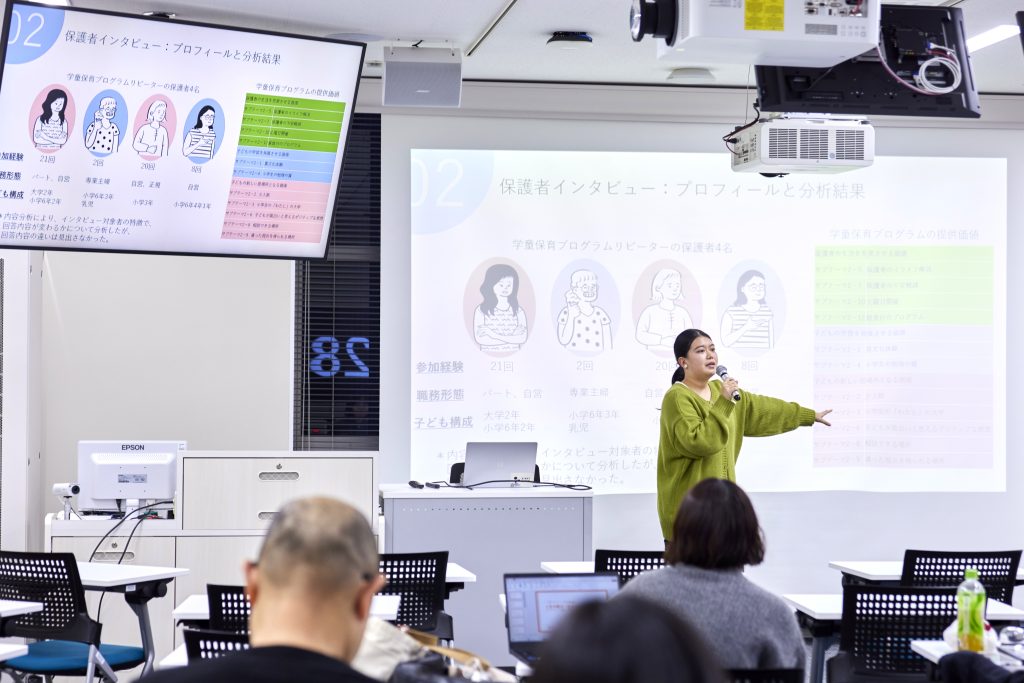
At the Second-Degree Project Presentation Session, held on November 11, 2025, I received valuable feedback from external commentators: photographer HIGUCHI Noriyuki and SEIRO Shinichiro, Senior Manager and Certified Public Accountant at Deloitte Tohmatsu LLC.
Mr. SEIRO pointed out that “there were few images of children in the future vision.” Indeed, the future visions I had drawn through backcasting were biased toward the perspective of university students and how to sustain the program and did not sufficiently consider how children themselves would want this place to evolve. He also shared a business-oriented insight: “As the number of service recipients grows, the number of service providers may naturally increase as well.” Reflecting on this advice, I plan to further clarify and highlight the benefits for children.
When I asked about methods for recruiting university student volunteers, Mr. HIGUCHI advised that in thriving communities, “it is essential that the enjoyment of those involved and the benefits of participation are clearly visible and communicated.” I immediately incorporated this advice into practice by organizing a lunch discussion session for students who showed interest. Being able to share the joy of the activities directly through real voices gave me a strong sense of positive momentum.
Through this Degree Project, I had many opportunities to engage in dialogue with parents—people I previously had limited chances to speak with. I was able to hear firsthand about the realities of parenting today and what parents期待 from university students. When a parent told me, “I wanted to talk more with university students,” I realized that the space we are providing is also a place for intergenerational dialogue.
Even after becoming a working adult, I hope to continue being involved in “Noborikko.” And someday, when I find myself in the position of raising children, I would like to draw on the voices of parents and children I encountered through this project and apply them to my own approach to parenting.